
Why your back pain doesn't go away and how ergonomics can help.
Research shows that lower back pain often comes back, with nearly 70% of people experiencing another episode within a year even after expensive therapy.

The missing link is the ergonomics root causes, which often get ignored or unattended:
Root cause 1. An incorrect seat pan depth
The length of the seat pan (sitting surface) has a direct bearing on the spinal loading.
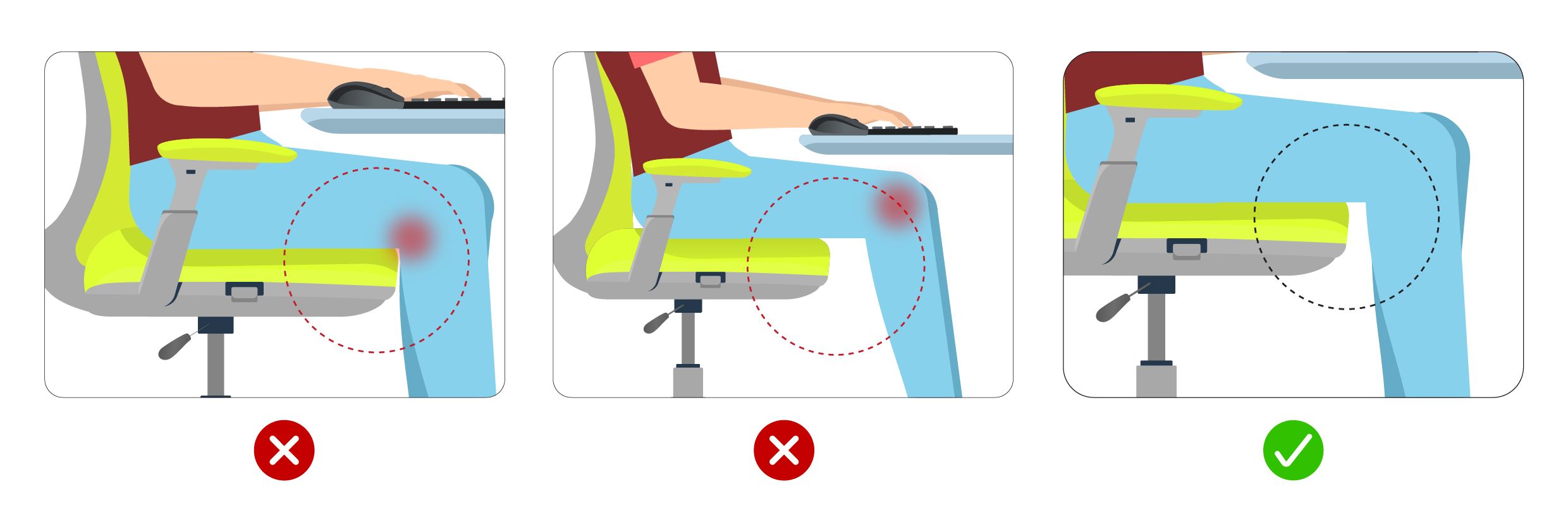
If the seat pan is too long:
- Pressure builds behind the knees
- Blood circulation to lower legs gets affected
- You develop the tendency to sit forward, losing the back support
If the seat pan is too short:
- The support over your thighs reduces
- More load shifts to the lower back muscles and the spine
What helps:
- Adjusting the seat pan length such that the thighs are supported while leaving a 2-finger wide gap between the edge of the chair and back of the knee.
- If the set pan is not adjustable, using a firm back cushion (for long seat pan) or changing the chair (for short seat pan)
Root cause 2. Unsupported back
Sitting perched or leaning forward frequently causes the back support to be lost and strains the muscles and the spine. Also, sitting without proper lower back support causes the neutral curve of the spinal to collapse and this increases pressure on the spine.
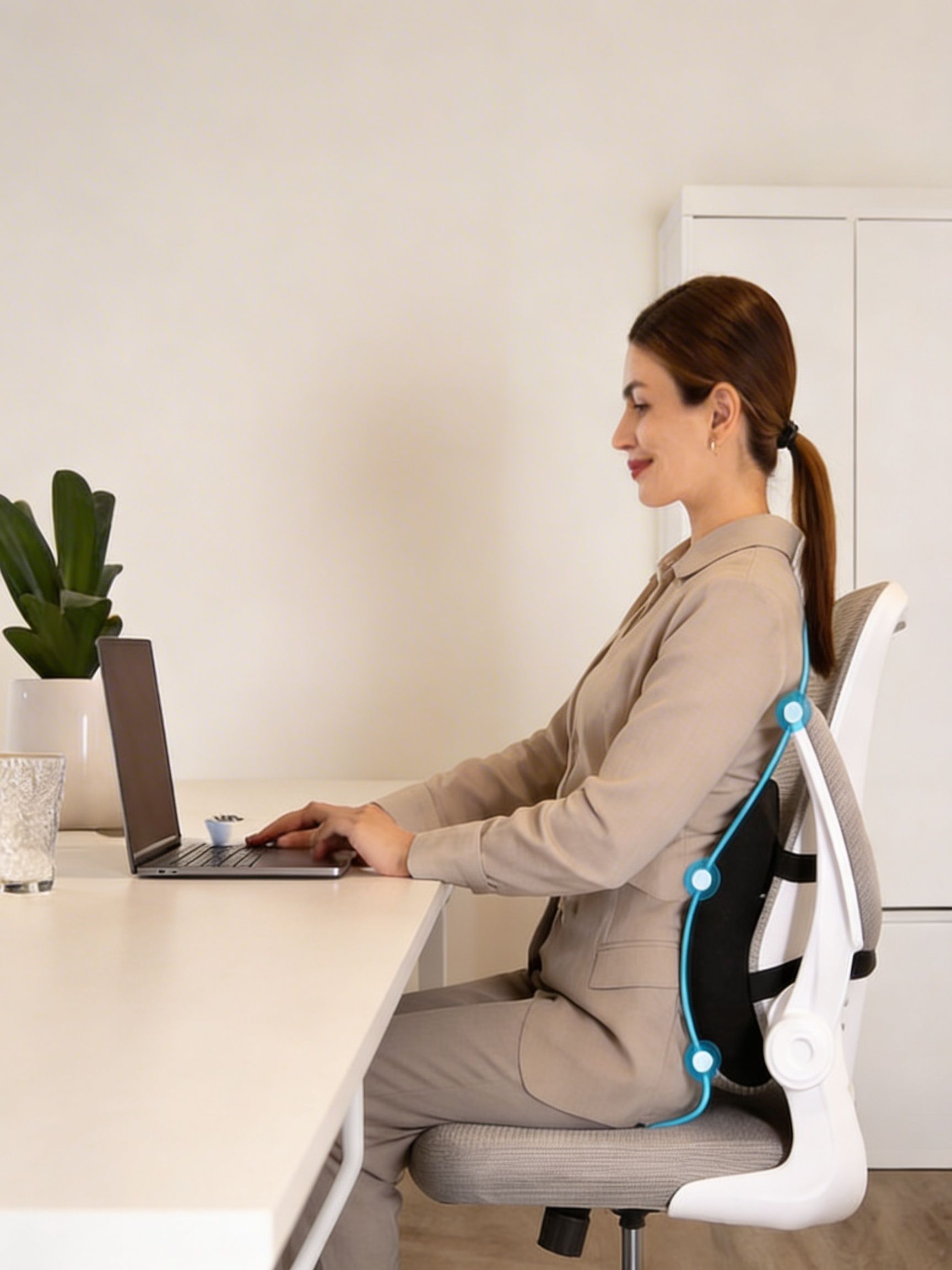
What helps:
- Sitting fully back in the chair, with upper and lower back supported
- Eliminating things that make you lean forward - like screens or keyboard placed too far
- If your chair has a built-in lumbar support - adjust it to maintain the inward curve of your lower back.
- If not, adding a lumbar cushion
- Consider a DIY lumbar support using a rolled towel
- Avoiding very soft cushions that collapse when you lean on them
Root cause 3. Sitting too low
Sitting too low increases the pressure in the lower back region, as the normal ’S’ shape of the spine collapses to a ‘C shape’.
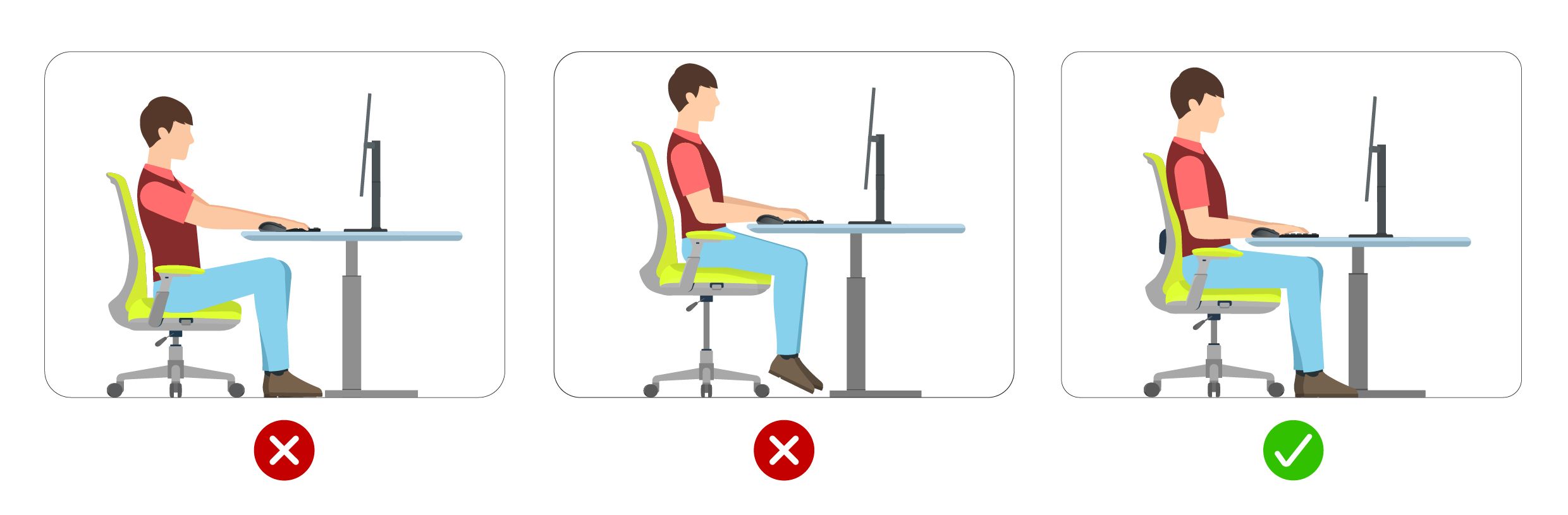
What helps:
- Raise your chair so that your hips are higher than your knees to supports the neutral S shape of the spine and prevents low back pain.
Also read
Root cause 4. Unsupported Feet
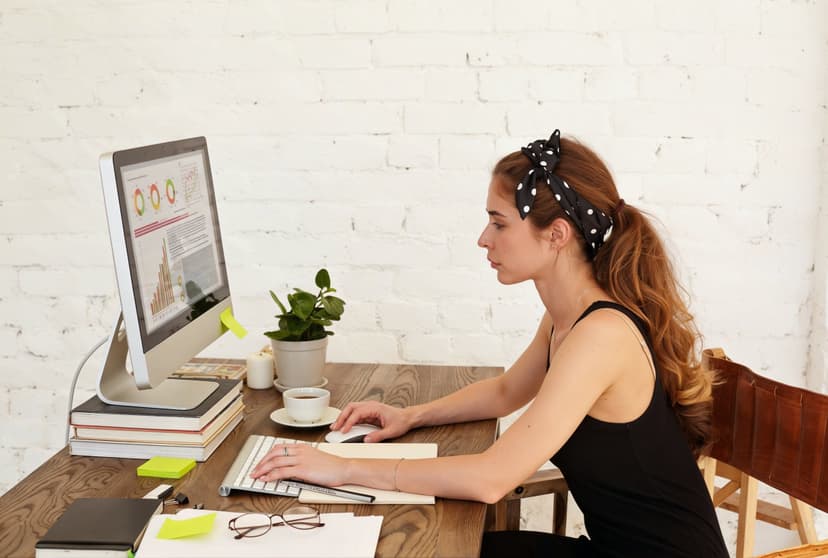
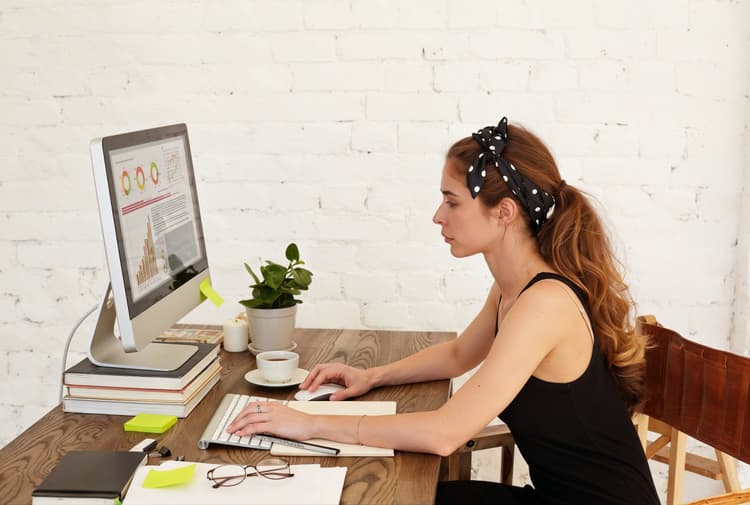
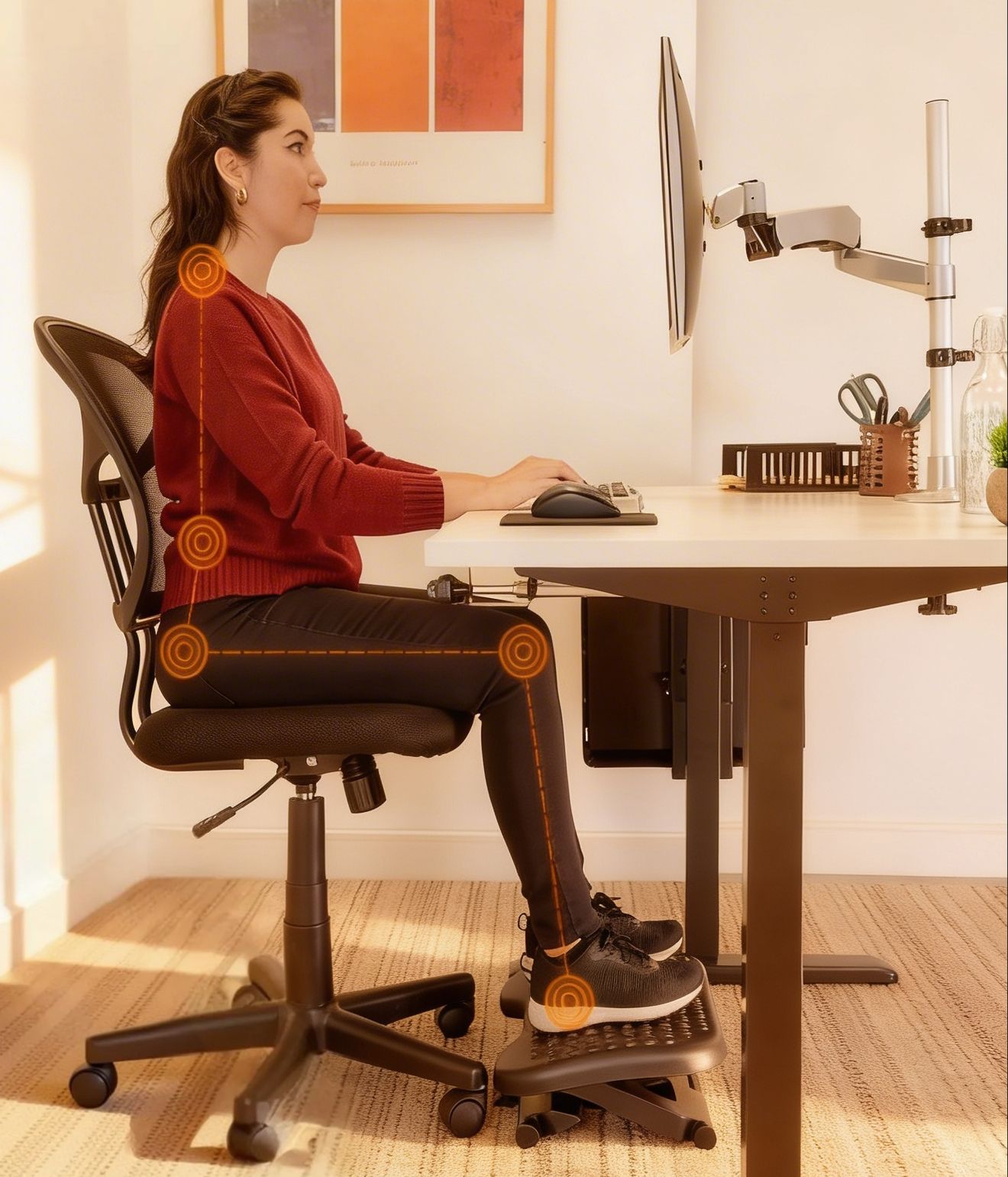
If your feet don’t rest firmly on the floor, your body compensates, often by sliding forward or tensing leg muscles to support yourself. Good foot support stabilises your posture.
What helps:
- Keep feet flat on the floor, not on the wheel base
- Use a footrest if needed
- Avoid dangling or tiptoeing
Root cause 5. Prolonged sitting or standing
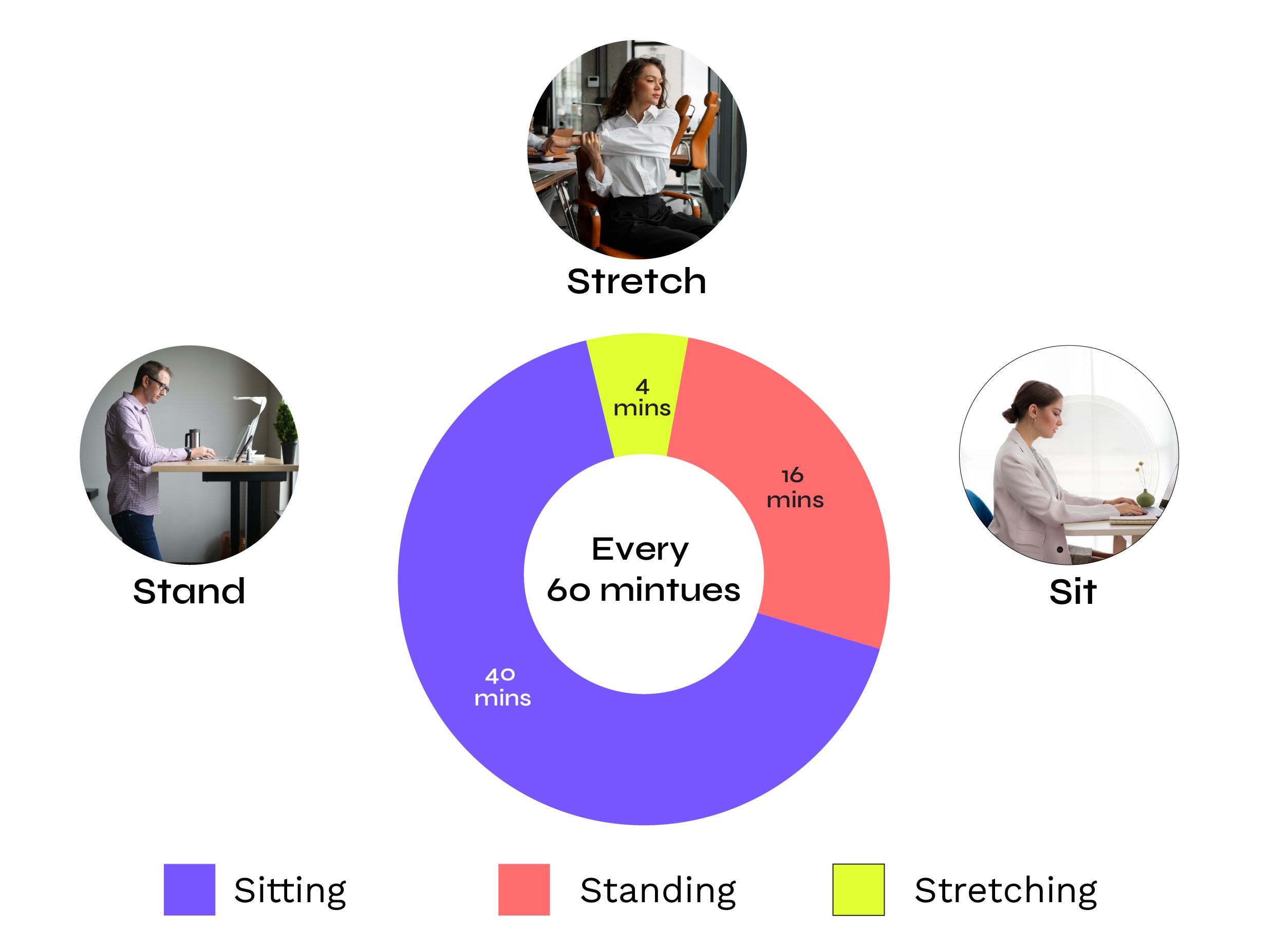
Sitting for more than an hour at a stretch compresses the spine, slows down blood circulation and increases stiffness. Prolonged standing is not good either as it may strain the knees and the spine.
What helps:
- Body needs movement
- Stand up regularly to release pressure from the lower back region
- Alternating between sitting and standing throughout the day
An hourly cycle of 35 minutes of sitting, 20 minutes of standing and 5 minutes of walking (movement) is considered to be ideal.
To sum up, recurring back pain usually means the daily strain on your body hasn’t been addressed. Improving your posture, chair fit, and movement throughout the day can reduce that back strain and make work far more comfortable over time.
References:
Lis, A. M., Black, K. M., Korn, H., & Nordin, M. (2007). Association between sitting and occupational low back pain. European Spine Journal, 16(2), 283–298.
Mahmoud, N. F., Hassan, K. A., Abdelmajeed, S. F., Moustafa, I. M., & Silva, A. G. (2019). The relationship between forward head posture and neck pain: A systematic review and meta-analysis. Current Reviews in Musculoskeletal Medicine, 12(4), 562–577.
Sahoo, S., et al. (2021). Ergonomics and musculoskeletal disorders among office workers: A review. International Journal of Innovative Research in Medical Science (IJIRMS).
Explore other articles

Setup

Ergo Hacks

Posture
Ergonomic hacks for home office - better posture at no extra cost.
Creative and affordable ergo tips to make remote work comfortable and productive.

Health
How to reduce Digital Eye Strain (DES) without reducing screen time
Practical ergo tips to protect your eyes while using the computer and phone.
Setup

Equipment
Posture
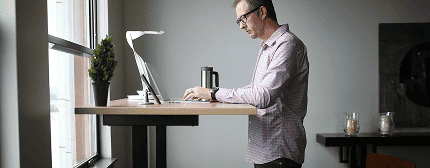
Bought a standing desk but stopped using It? It's possible to restart.
Ergonomics tricks to sustain the healthy habit of occasional standing during work.