
Ergonomic hacks for home office - better posture at no extra cost.
Working from home comes with perks - comfy clothes, no commute, flexible hours and freedom to work from a sofa or dining desk. But what can you do about the occasional discomfort it brings - especially in the lower back, neck, or shoulders?
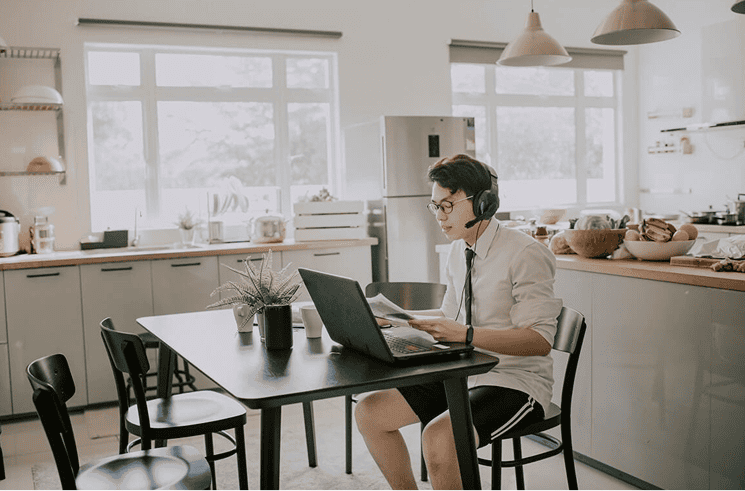
You don’t need fancy equipment or a large budget, just some of these creative hacks:
Hack 1: Use a cushion to raise your seat height
Working on a high dining desk and using a chair that can't be raised adequately? Place a firm cushion on the seat so your hips go a little higher than your knees. This helps to open up your hip angle, reduces pressure from the spine and also keeps your shoulders relaxed when working on a high desk.
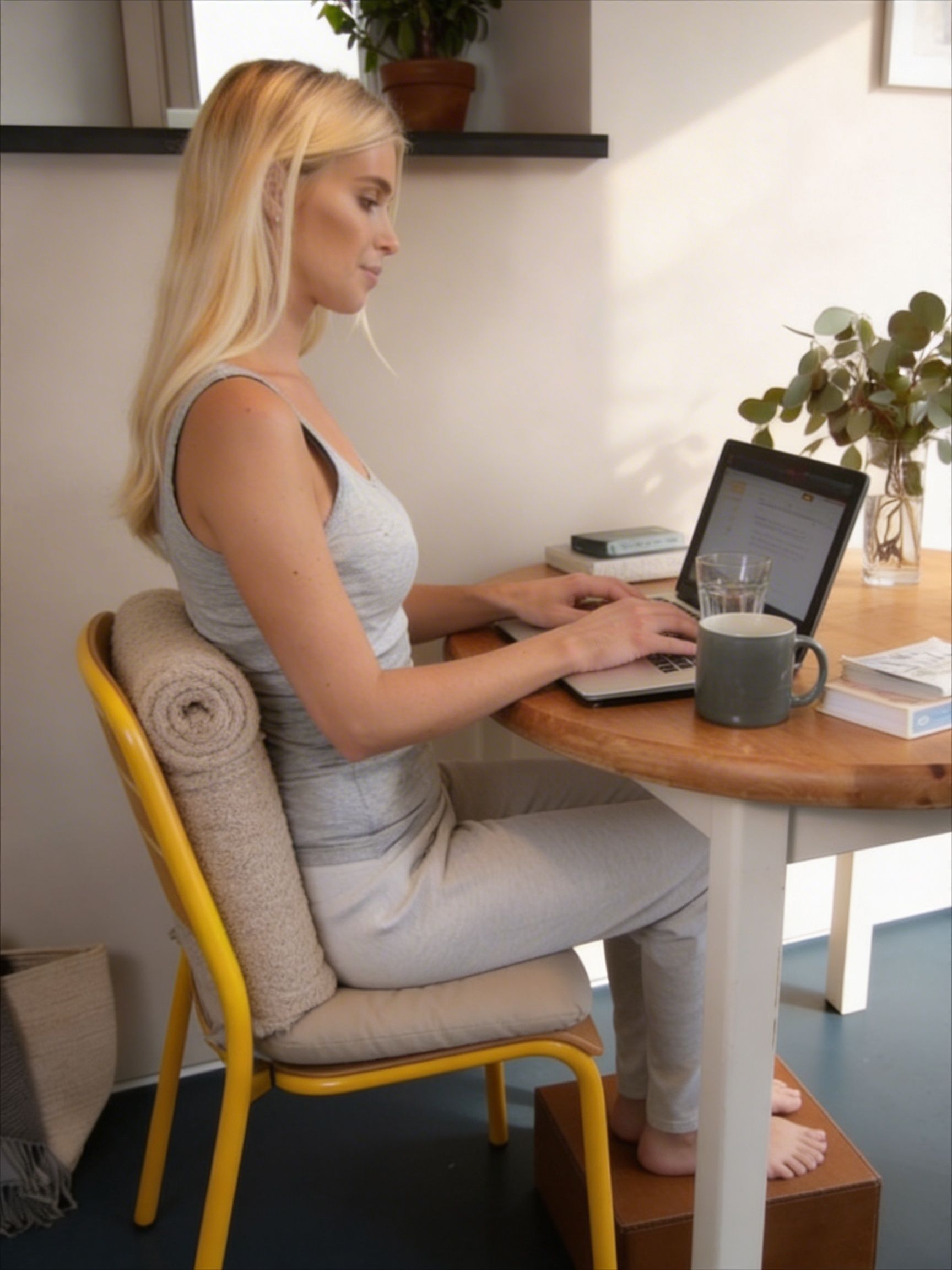
Hack 2: Use a sturdy box as a foot rest
Sitting high with legs dangling? Unsupported feet can increase strain on your lower back over time. Create a makeshift footrest from a sturdy box, stack of paper or a small stool.
Hack 3: Use a rolled up towel as lumbar support
Most non-ergonomic chairs don’t support your lower back well. A small, firm cushion or a rolled towel placed just above your belt-line can help maintain the natural curve of your spine.
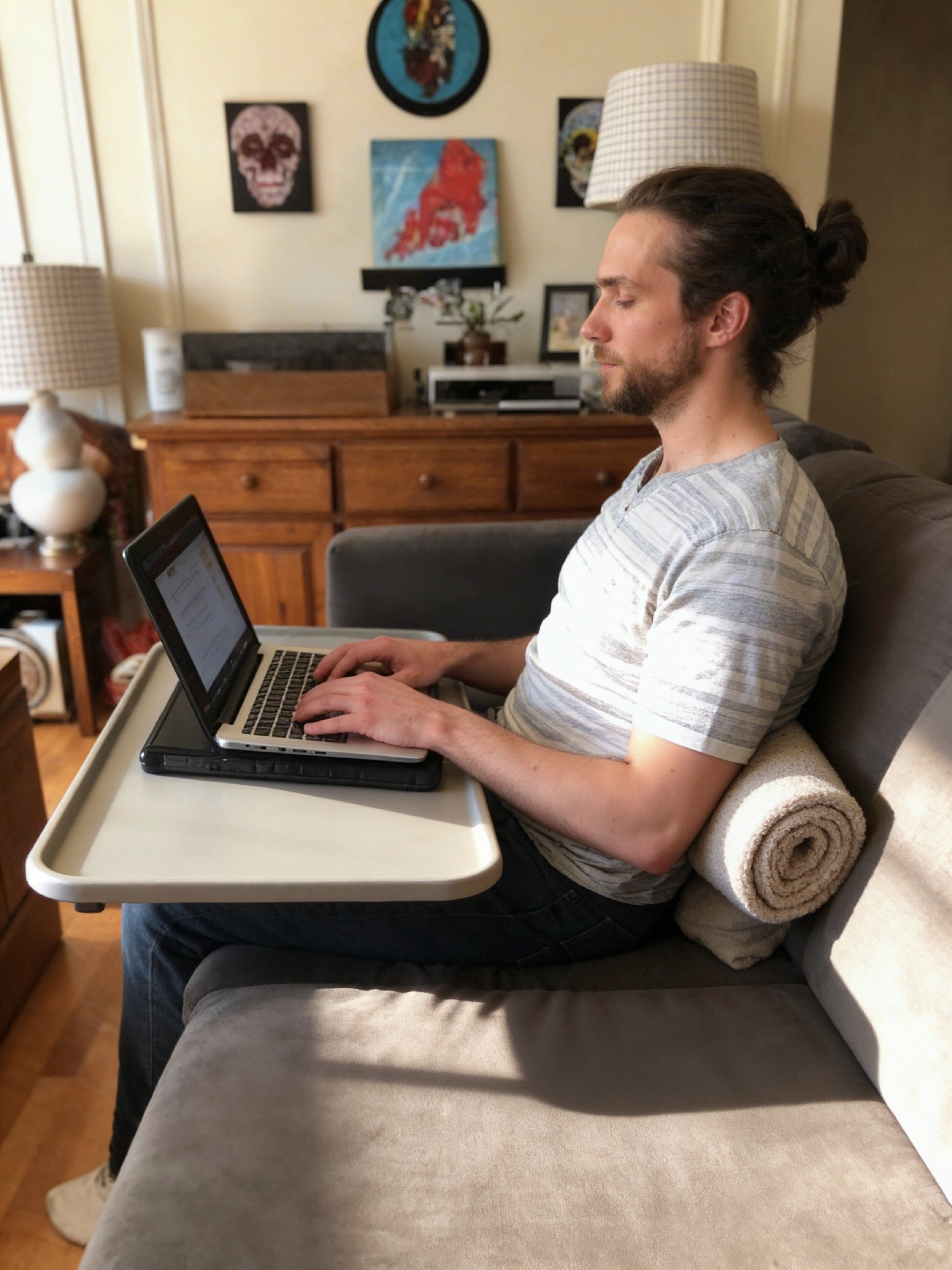
Hack 4: Support laptop using a tray
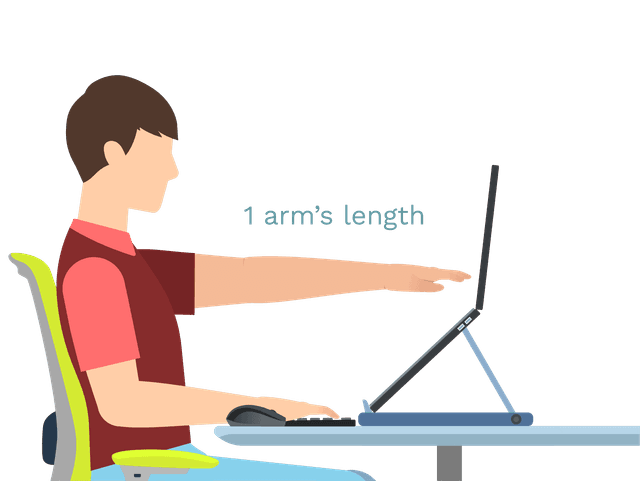
Working from the couch or bed can be comfortable, but soft seating can create significant spinal loading - both in the lower back and neck region. Use a tray or a cushion to bring the laptop higher and avoid hunching over. Also use a firm cushion to additionally support the lower back.
Also read
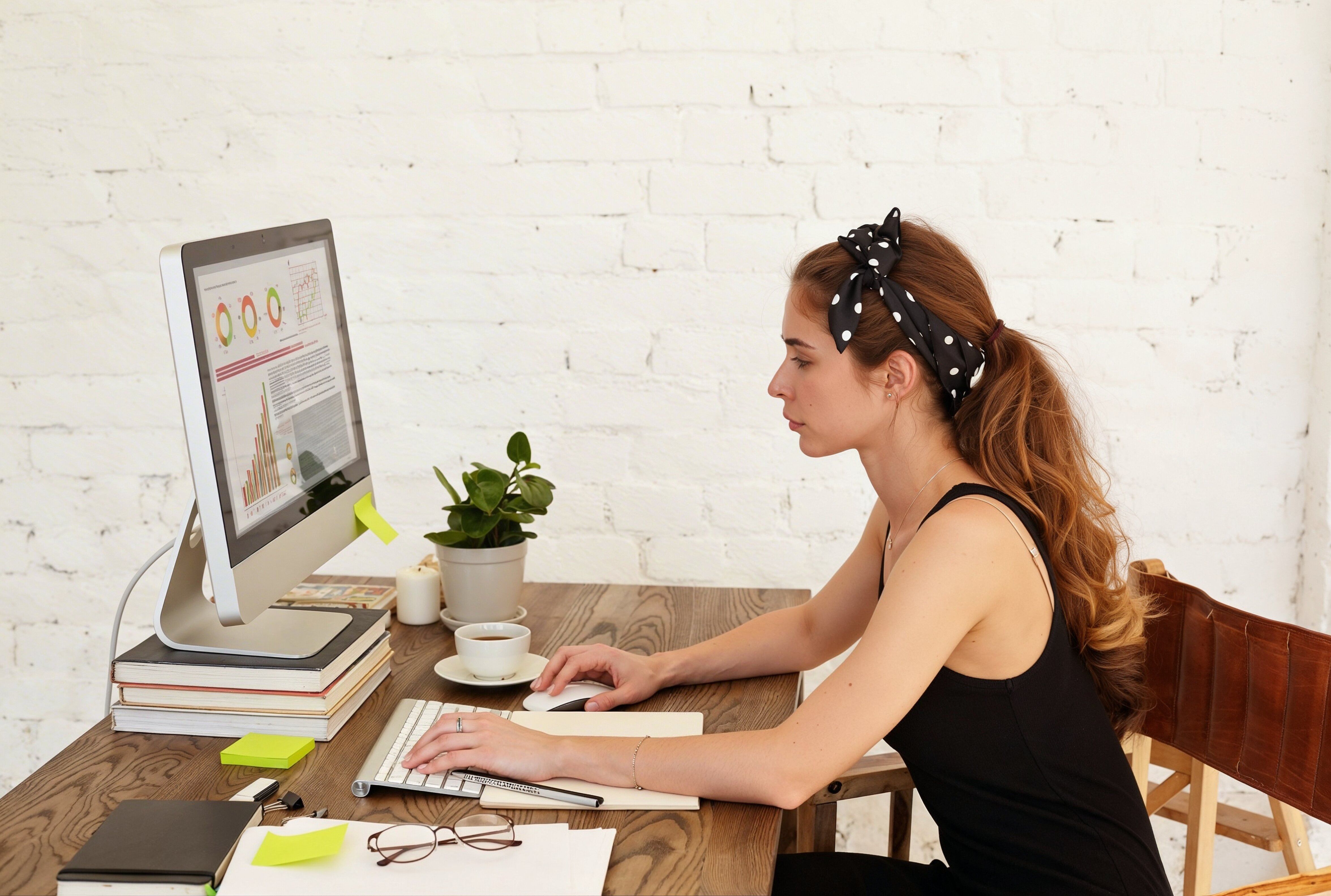
Hack 5: Use a stack of books as a screen riser
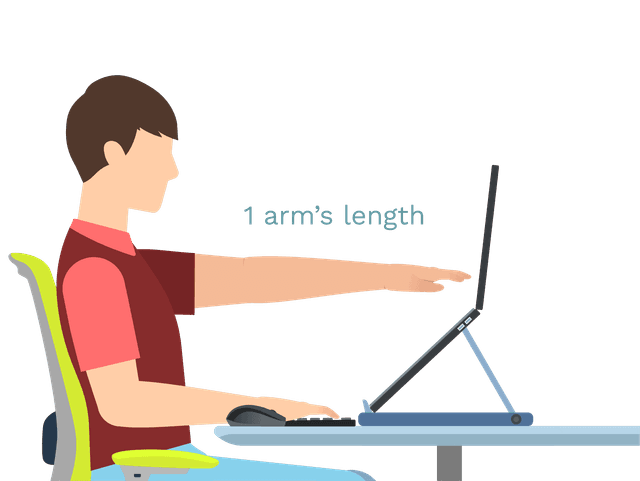
Raise the screen nearer to eye level using a sturdy shoebox or a stack of books to create a makeshift monitor or laptop riser. This simple change can significantly reduce neck strain. Do ensure the base is stable and pair this with an external keyboard and mouse so your arms stay relaxed.
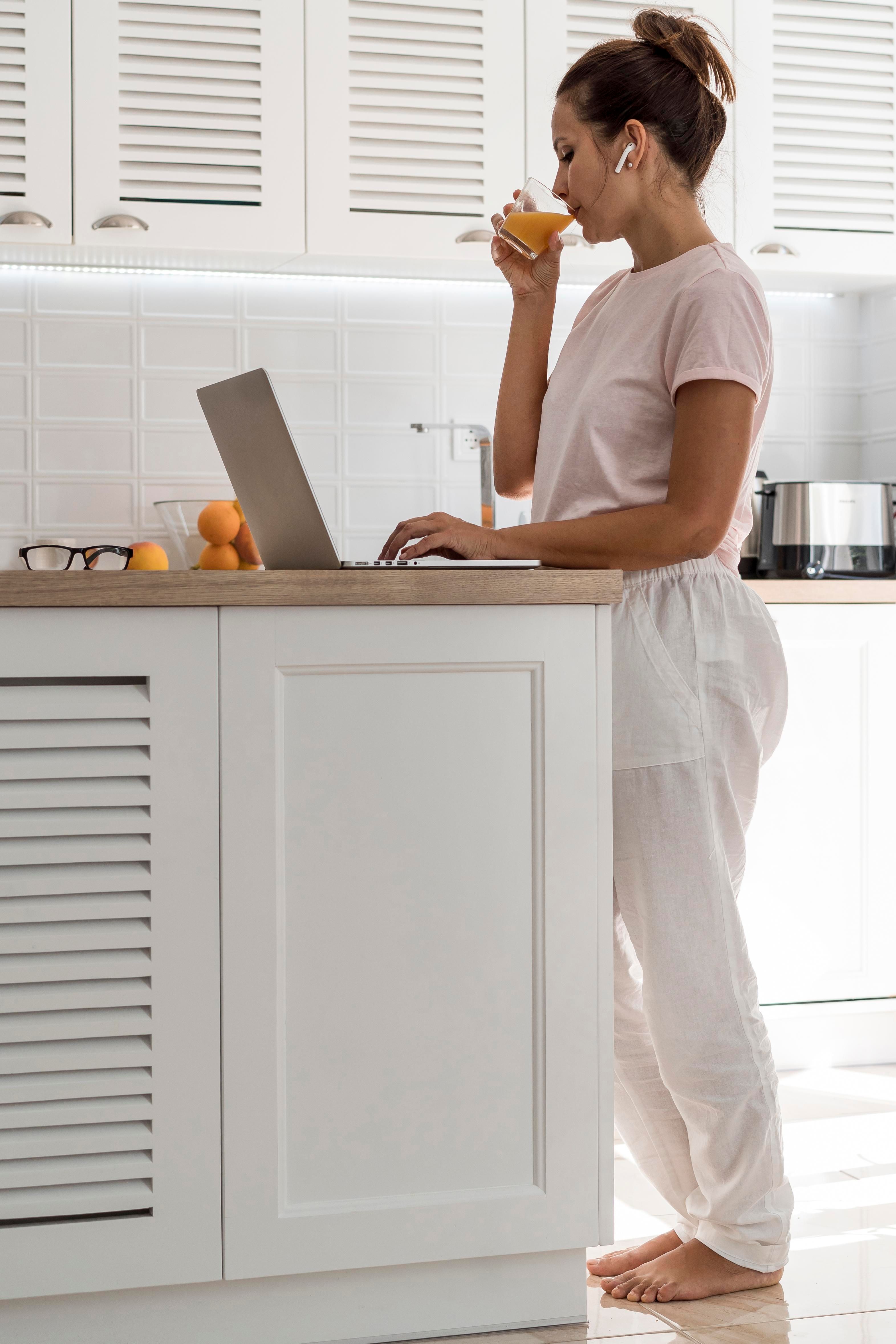
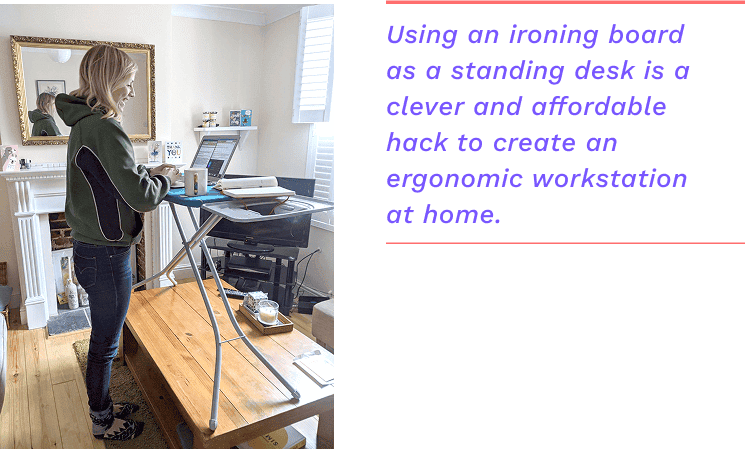
Hack 6: Make the kitchen counter or ironing board your standing desk
You don't need the expensive sit-stand desk to practice occasional standing at home. Many counters, be it the kitchen platform or a window ledge, are close to ideal standing height - at or slightly below elbow level. Get up from your seat every hour and work on your laptop in standing posture from this counter.
Hack 7: Use yoga mat as anti-fatigue cushioning for your feet.
Standing on hard flooring can get uncomfortable and cause back strain. A DYI anti-fatigue mat using a kitchen mat or yoga mat can make standing more sustainable. In any case, limit standing to 20 minutes at a stretch.
In summary, by incorporating these clever home hacks, you can reduce the risk of developing chronic pain and create a workspace that supports long-term health at no extra cost. Try some today.
Explore other articles


Health
How to reduce Digital Eye Strain (DES) without reducing screen time
Practical ergo tips to protect your eyes while using the computer and phone.

Fitness
Health
Why your back pain doesn't go away and how ergonomics can help.
Know why expensive therapy isn't enough and how focusing on ergo root causes can help.
Setup

Equipment

Posture
Bought a standing desk but stopped using It? It's possible to restart.
Ergonomics tricks to sustain the healthy habit of occasional standing during work.