






01. AI Video Assessment
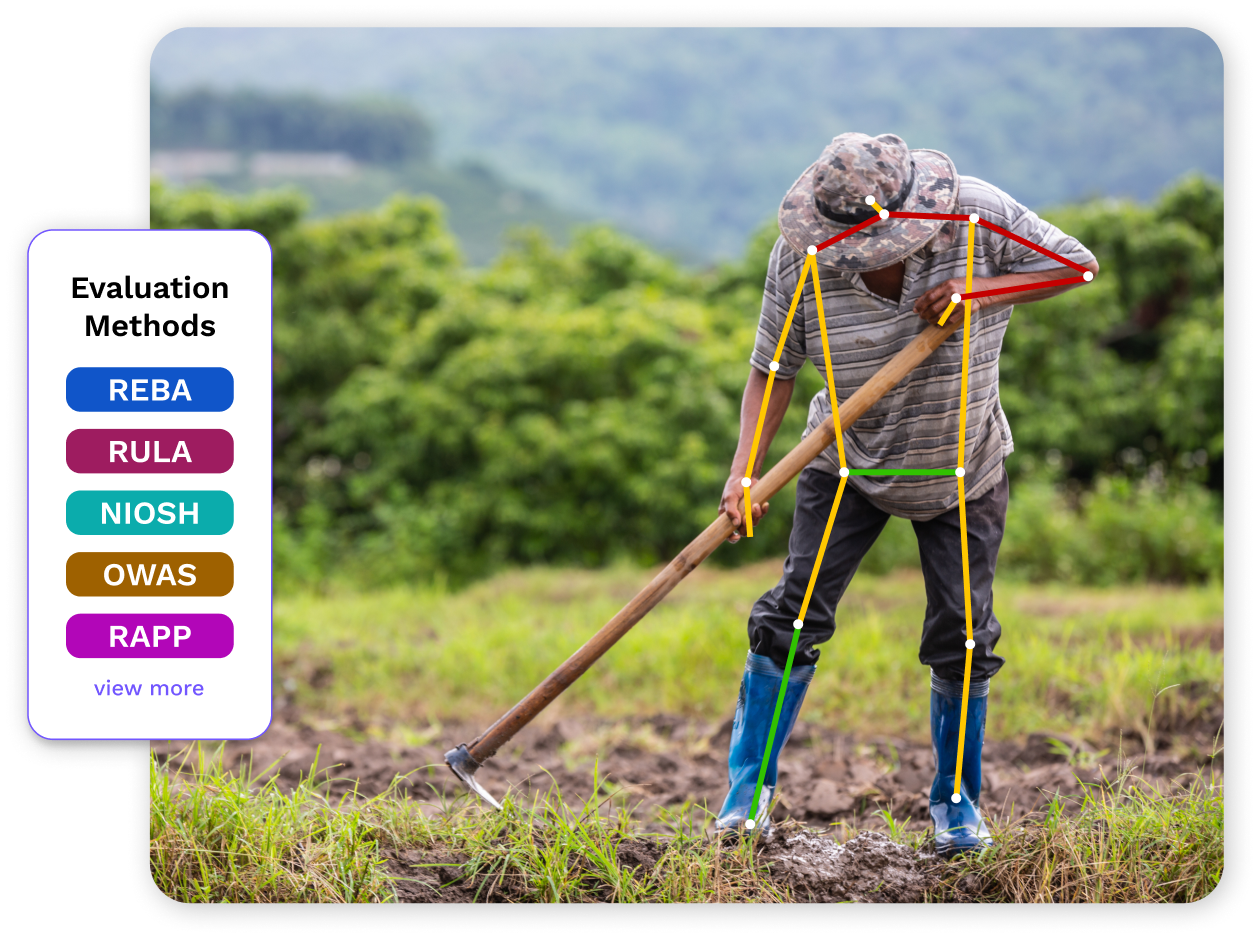
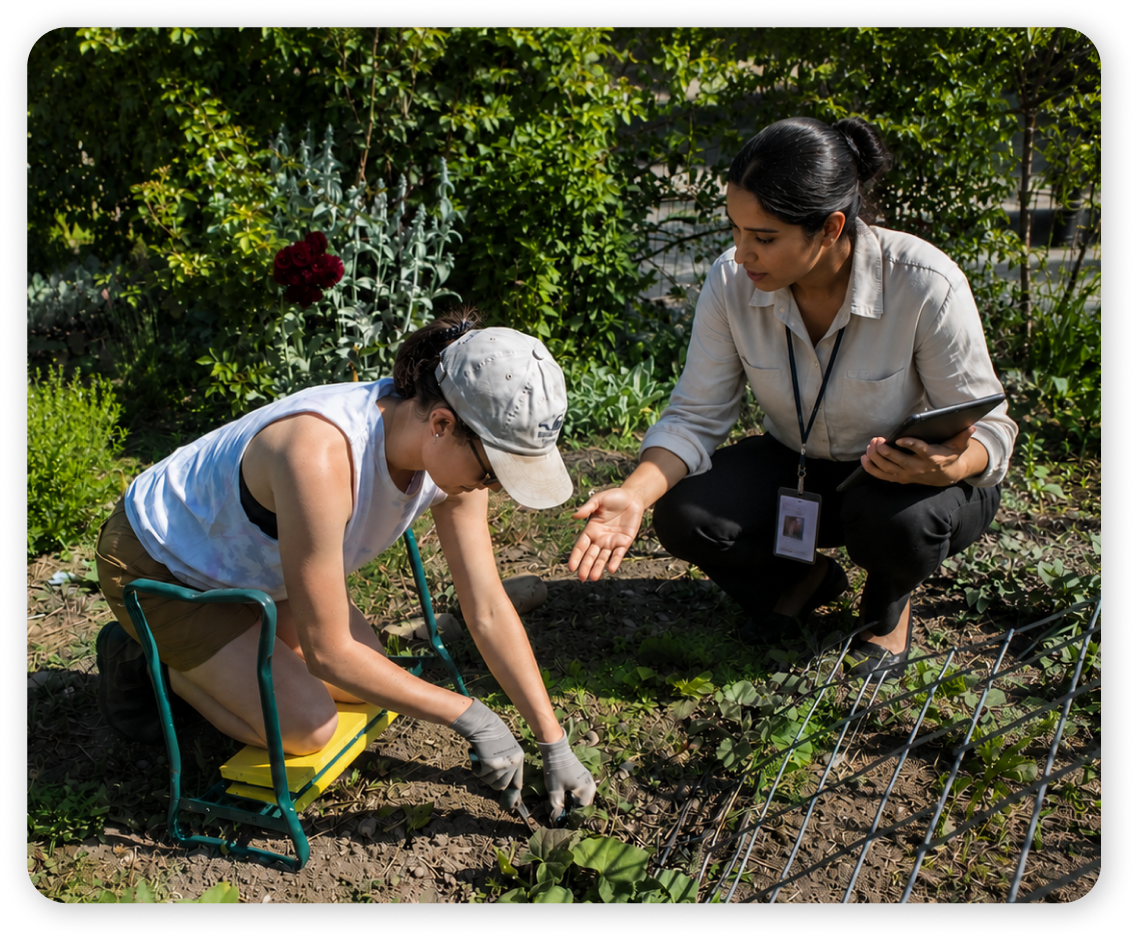
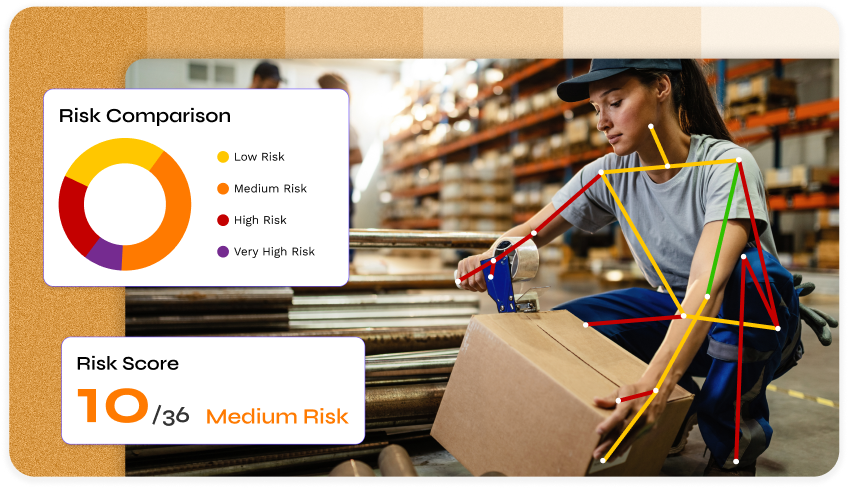
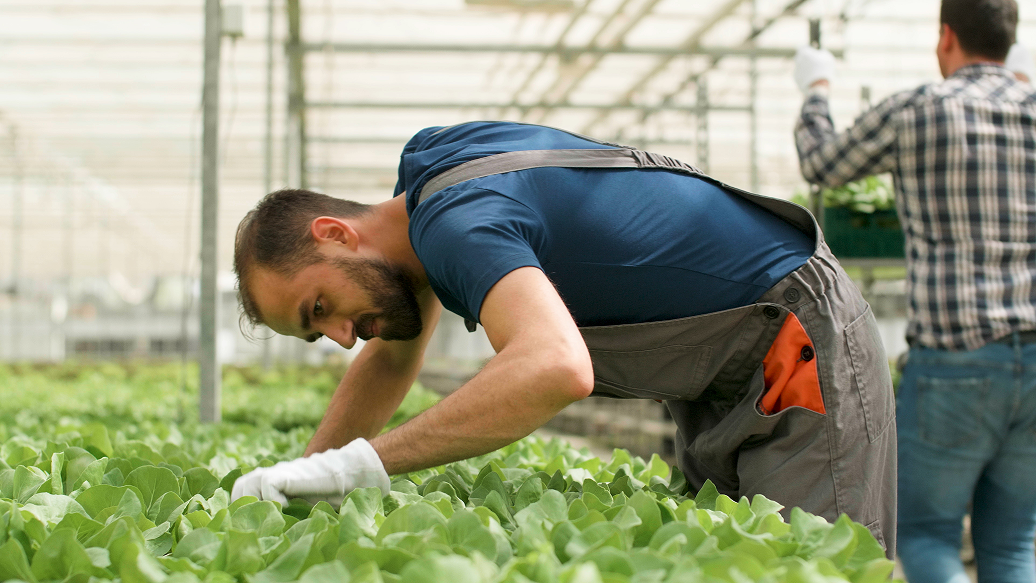
Film harvesting, packing, or field lifting tasks. BalanceFlo scores risk and returns role-specific fixes.

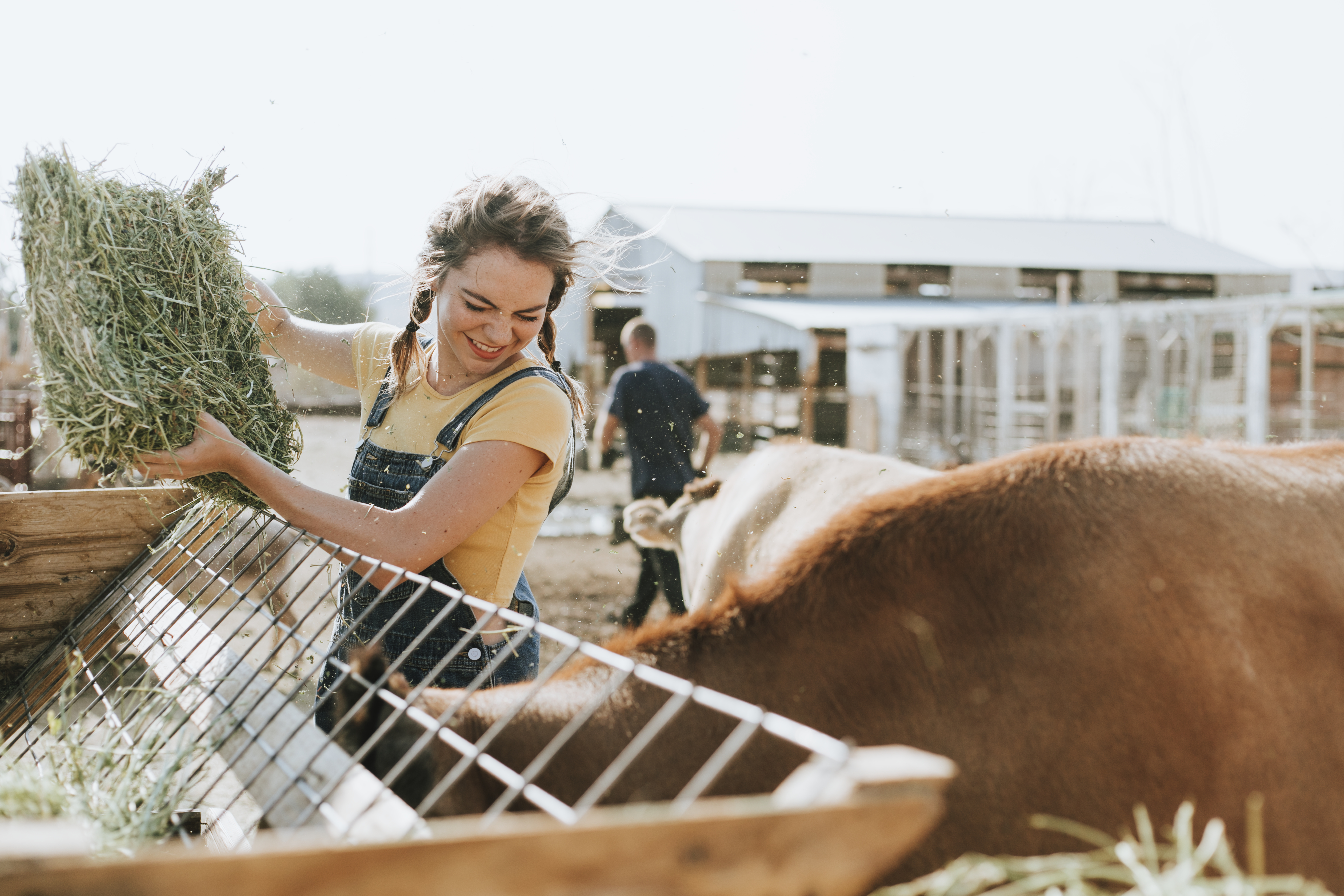
Repetitive picking and packing. Heavy manual handling of feed and produce. Long hours on vibrating machinery under seasonal time pressure. Agricultural operations face some of the highest MSD injury rates of any sector - spread across a workforce that is often seasonal, multilingual, and hard to reach with traditional safety programmes. BalanceFlo makes structured ergonomics management possible at scale.
1 in 3
Agricultural workers report chronic musculoskeletal pain linked to repetitive harvest and packing tasks
Top 5
Agriculture ranks among the top 5 industries for MSD injury rates, driven by manual handling and repetitive motion
$5B+
Estimated annual cost of MSD-related lost productivity and workers' compensation across the agricultural sector
40%+
Of the agricultural workforce is seasonal or migrant labour - a group historically underserved by structured ergonomics training


Agricultural ergonomic risk shifts with the season, the crop, and the task. The most common exposure patterns are:
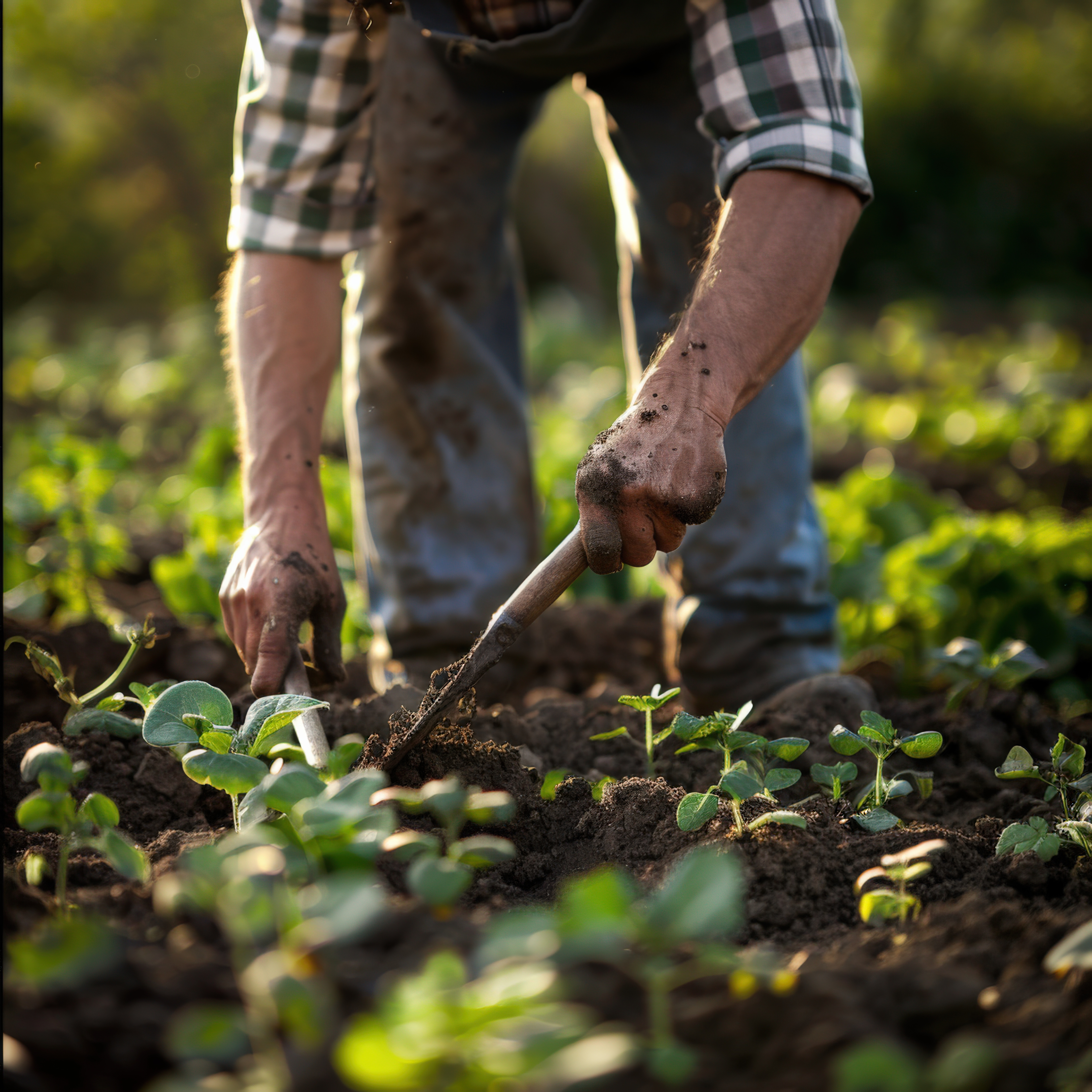
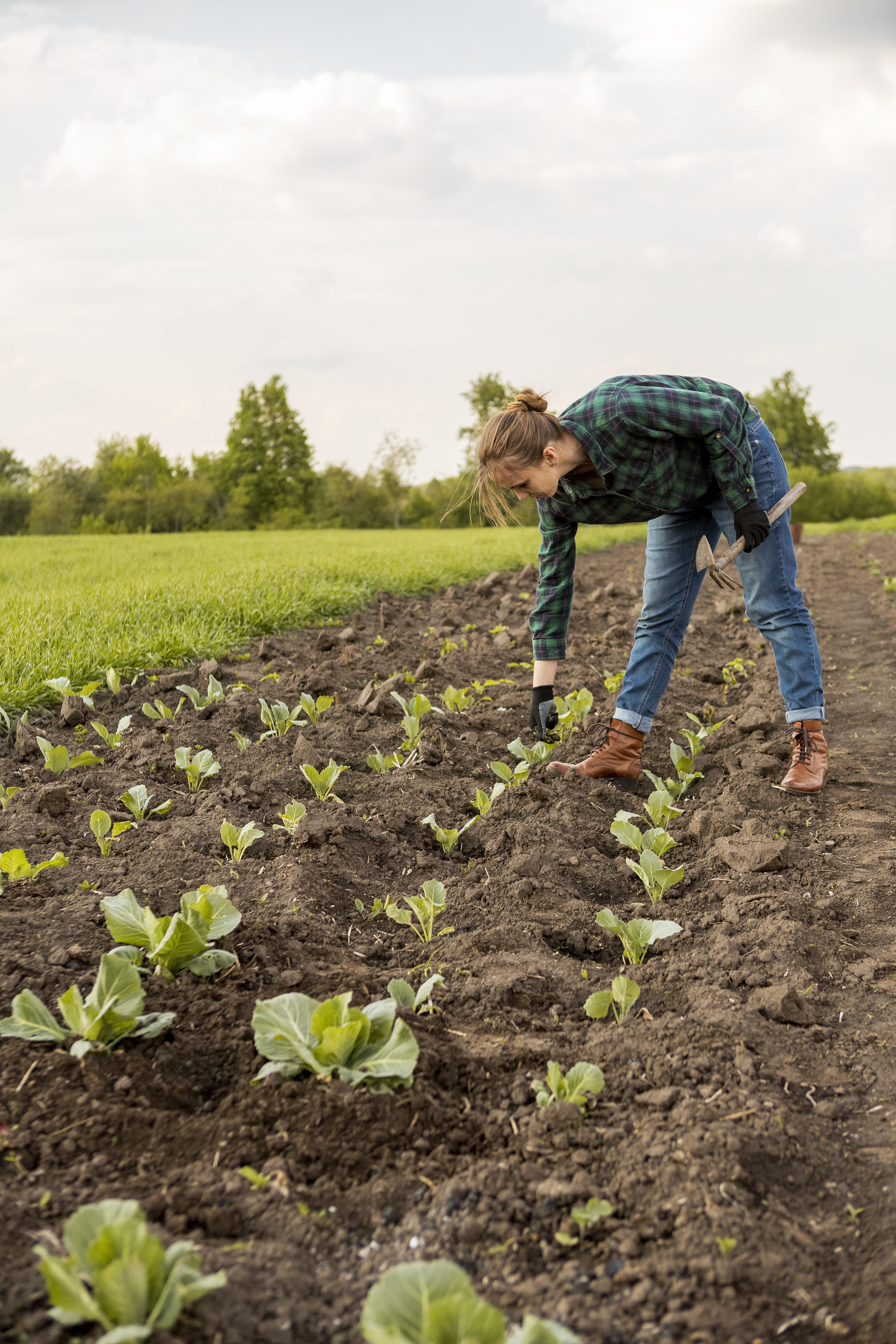
Hand-harvesting of low-growing crops forces sustained forward flexion of the spine, repeated thousands of times across a shift
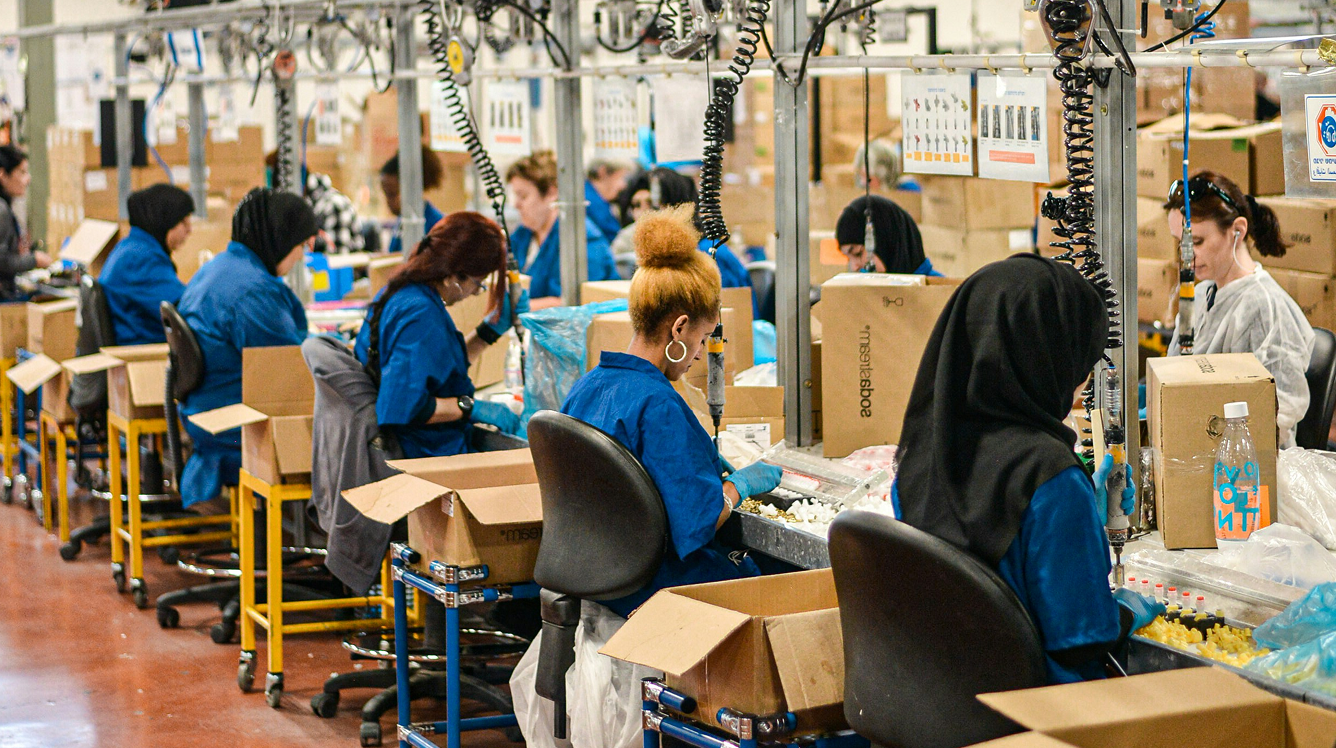
Sorting, cutting, and packing tasks require high-frequency repetitive hand and wrist motion, driving carpal tunnel and tendon injury risk
Lifting feed sacks, produce crates, and irrigation equipment creates significant spinal loading, often on uneven ground
Tractors, harvesters, and handheld power tools expose operators to whole-body and hand-arm vibration over long operating hours
Restraining, moving, and treating animals creates unpredictable, high-force loading events with limited ability to plan posture in advance
Harvest windows compress the year's peak physical demand into weeks, with extended hours that leave little time for recovery
A transient, multilingual workforce is difficult to train consistently, and often arrives with no prior exposure to structured ergonomic technique
Standard ergonomics programmes assume a fixed workforce and a fixed worksite - neither of which applies to farming:
Film harvesting, packing, or field lifting tasks. BalanceFlo scores risk and returns role-specific fixes.
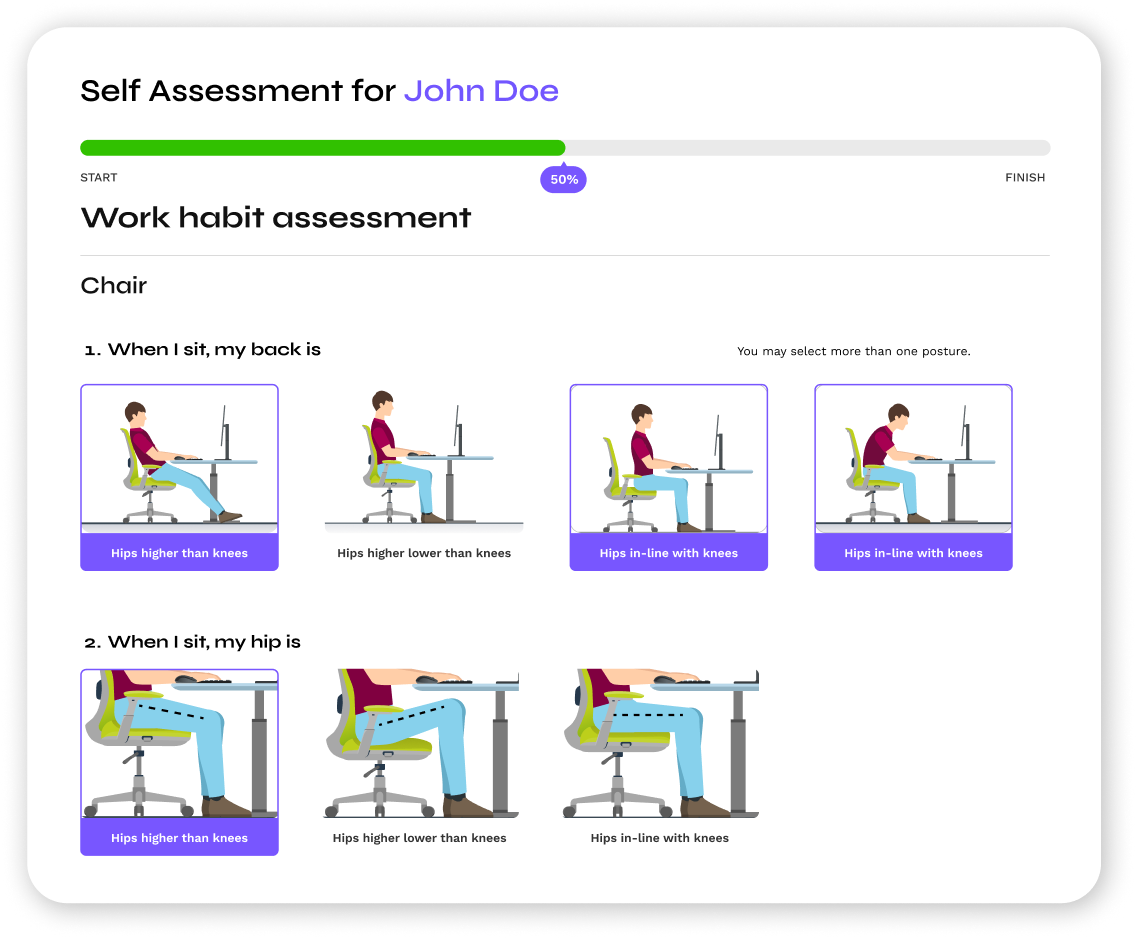
Questionnaires capture task demand, discomfort, and conditions across field and shed roles.
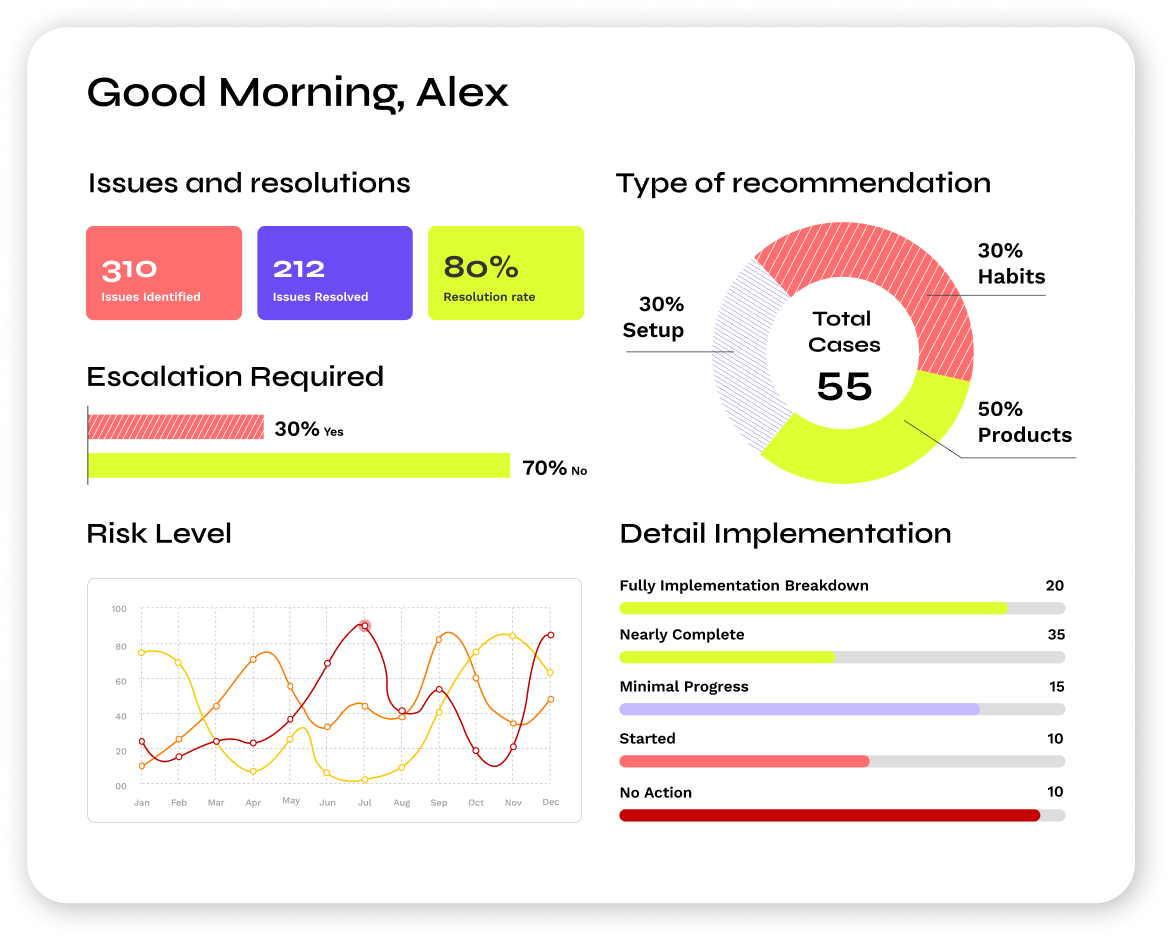
Dashboards show risk by farm, task, crop, shed, and season while tracking progress.
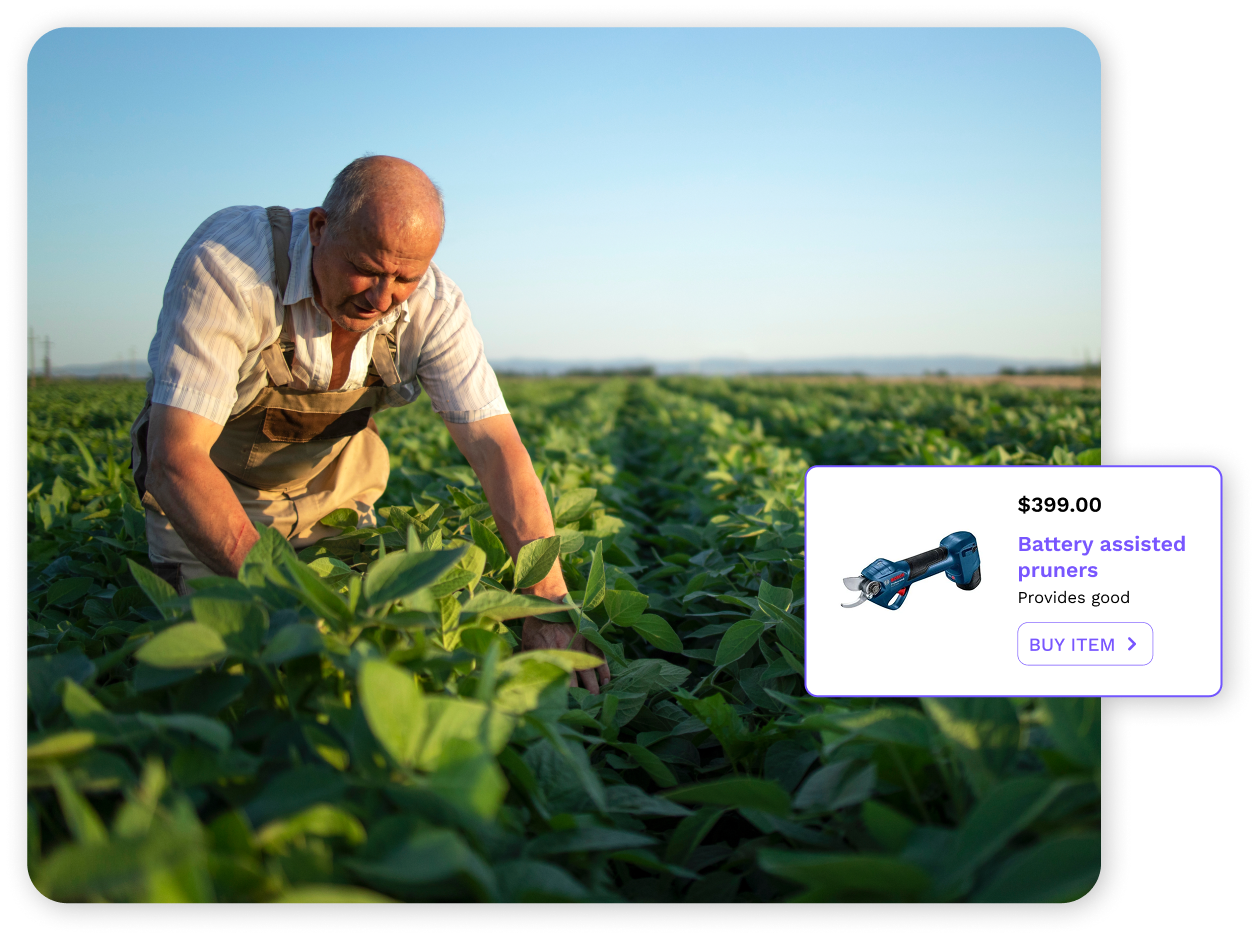
Equipment recommendations cover harvesting aids, packing stations, lift assists, and vibration controls.
Field and shed training covers harvesting technique, safe lifting, and machinery posture.
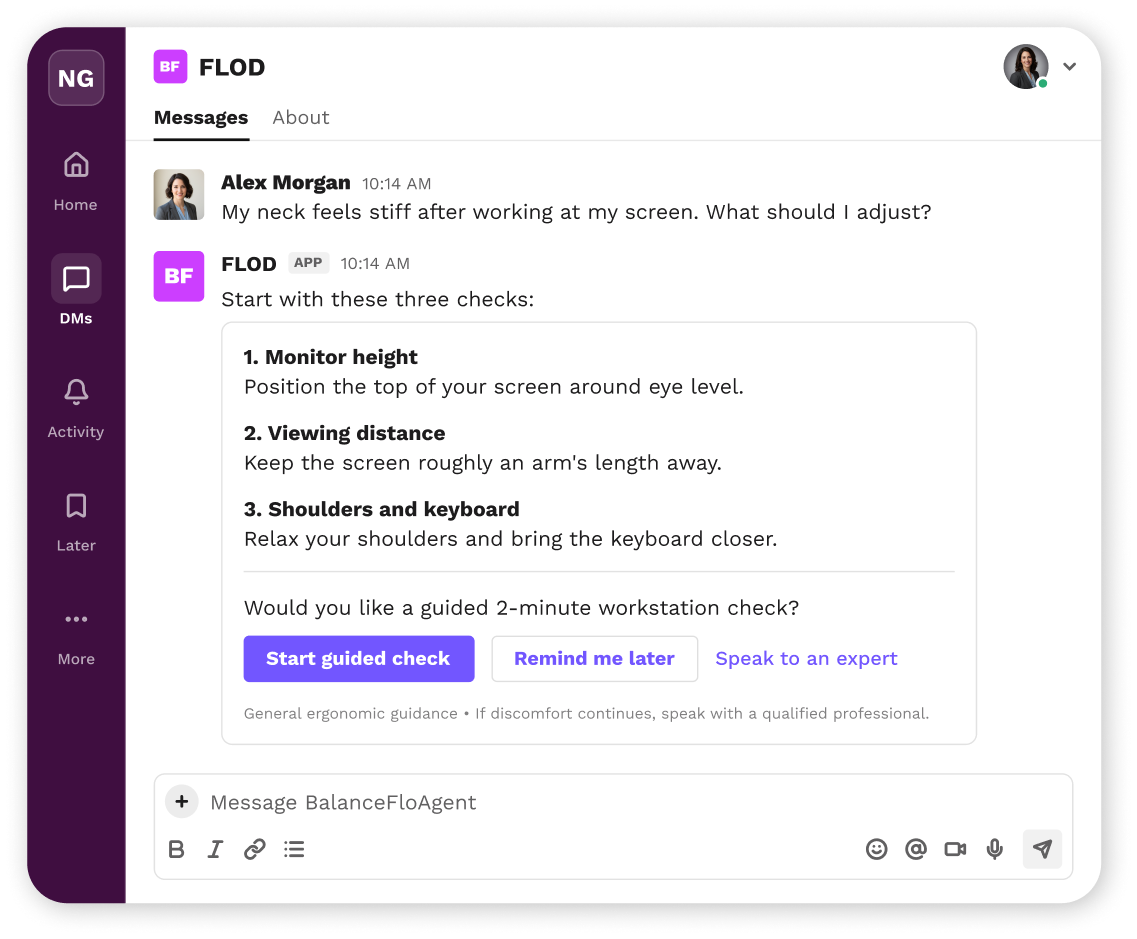
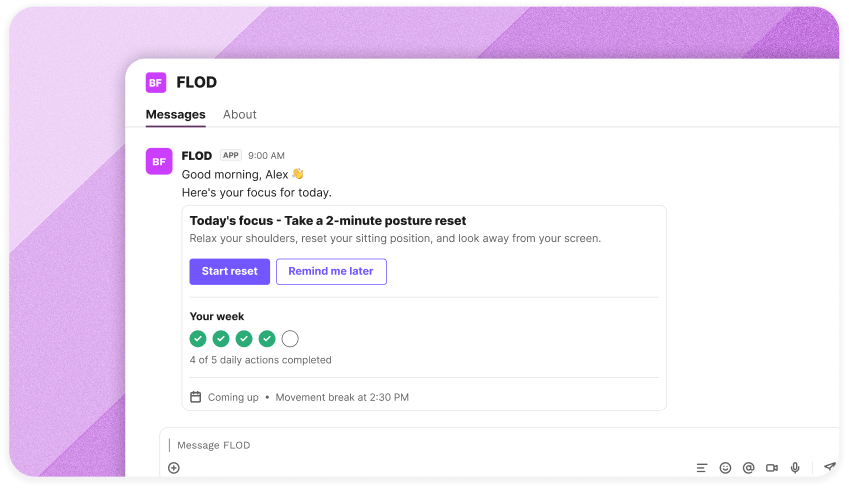
Daily nudges, multilingual chat, and campaigns support crews through harvest windows.
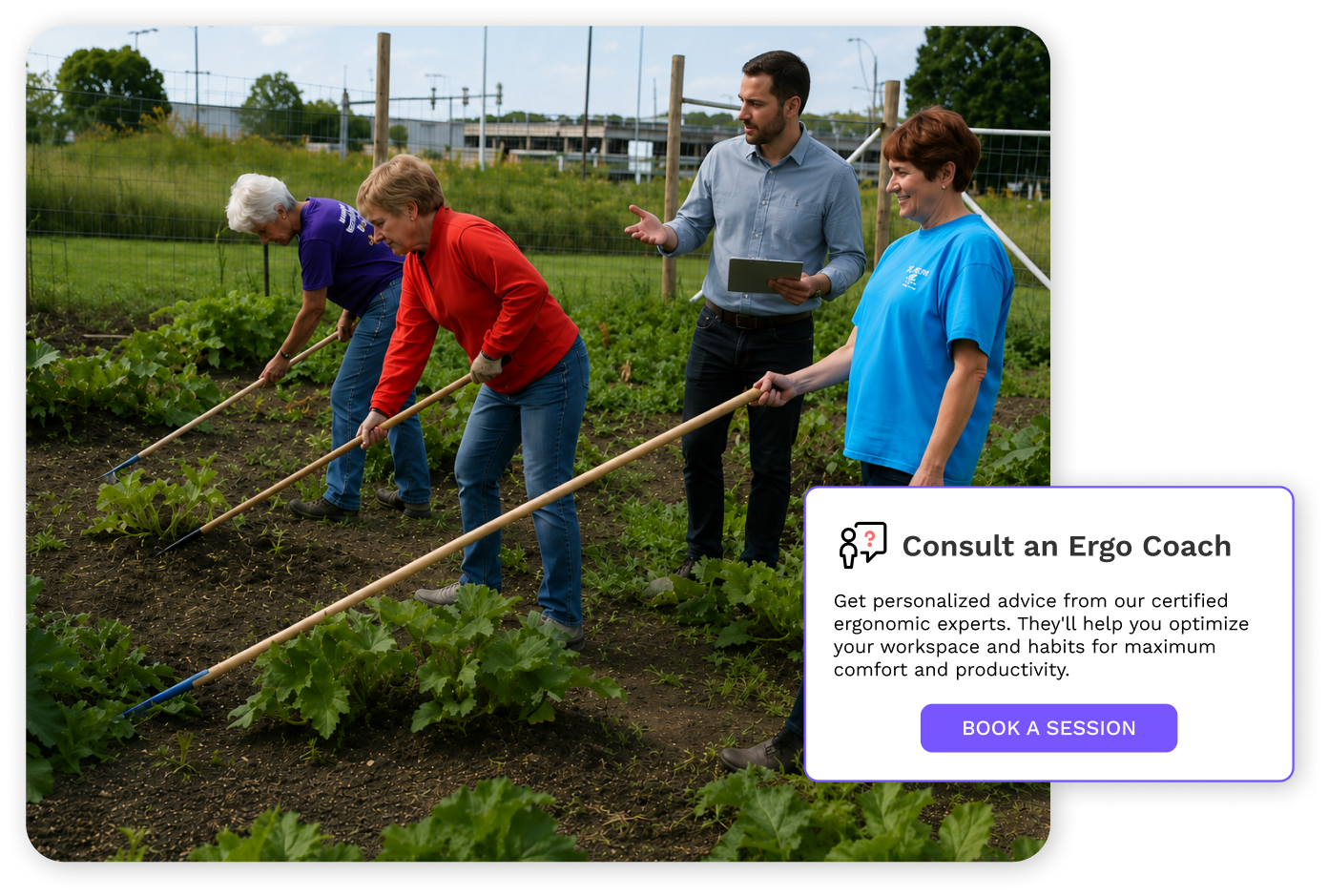
On-demand ergonomists support harvest planning, shed redesign, and supervisor coaching.
Results agricultural safety and operations teams see after rolling out BalanceFlo across their workforce:
Versus specialist visit-based approaches.
Across fields, sheds, and seasons.
Compared to traditional consultant-led programmes.
For assessed agricultural organisations.
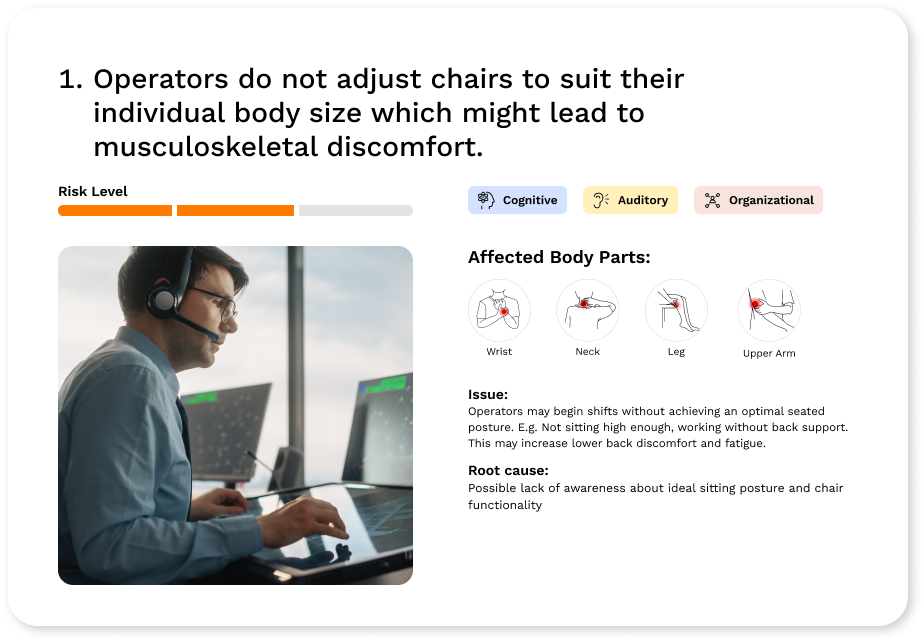
Intuitive visuals, clear risk indicators, plain-language outputs. Managers, employees, and safety teams take action immediately - no training course required to read a dashboard.
Practical guidance, regulatory updates, product insights, and workplace health trends - written by certified ergonomists, not content farms. If it's published under the BalanceFlo name, it's been reviewed by someone with a qualification to back it up.
Read Now
BalanceFlo's ROI calculator uses published BLS, OSHA, and academic data - and conservative estimates throughout. Here is what the numbers look like for a typical agricultural workforce:

Answer 5 quick questions and get a plan matched to your workforce size, industry, and programme maturity - in under a minute.