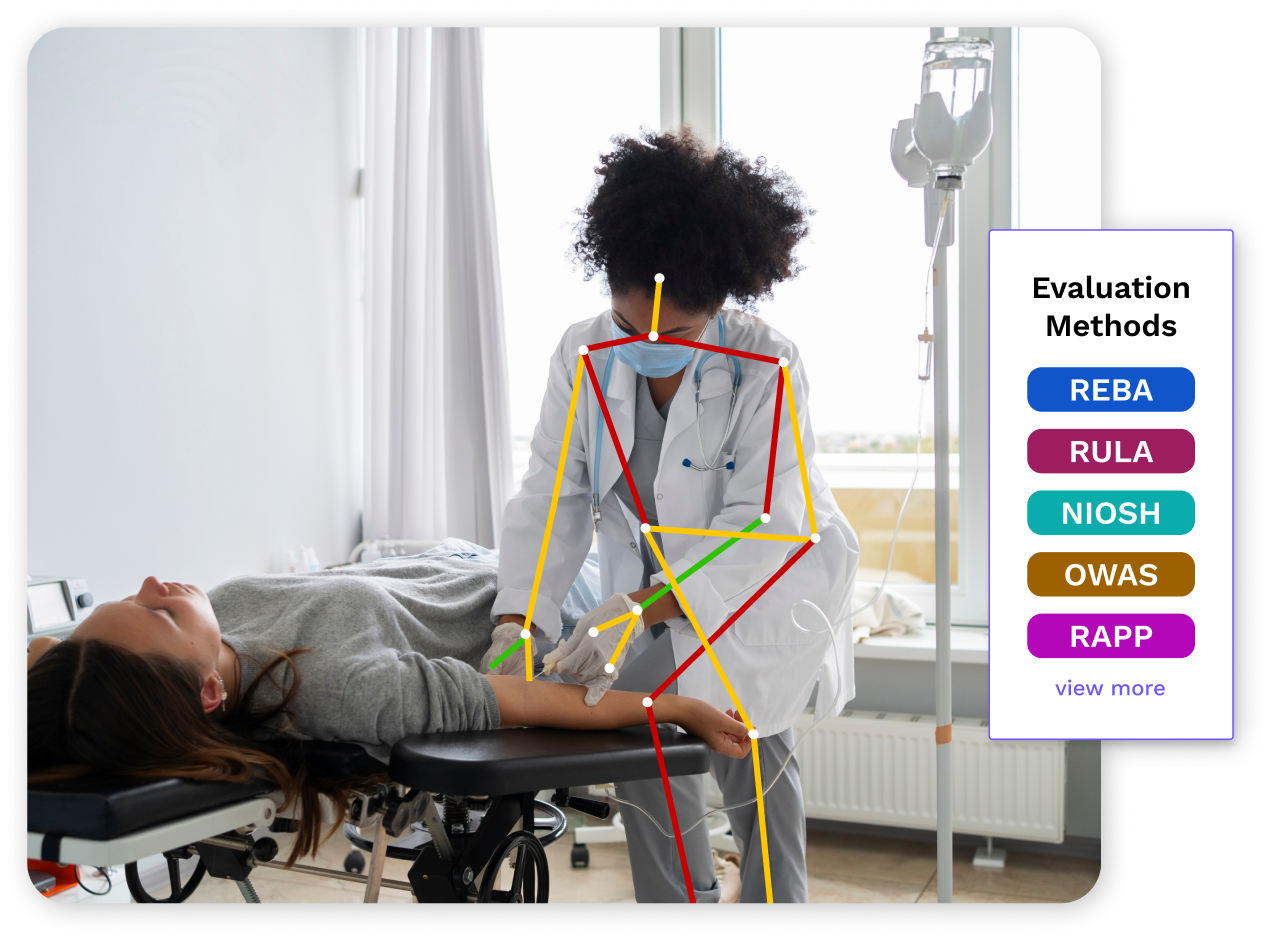

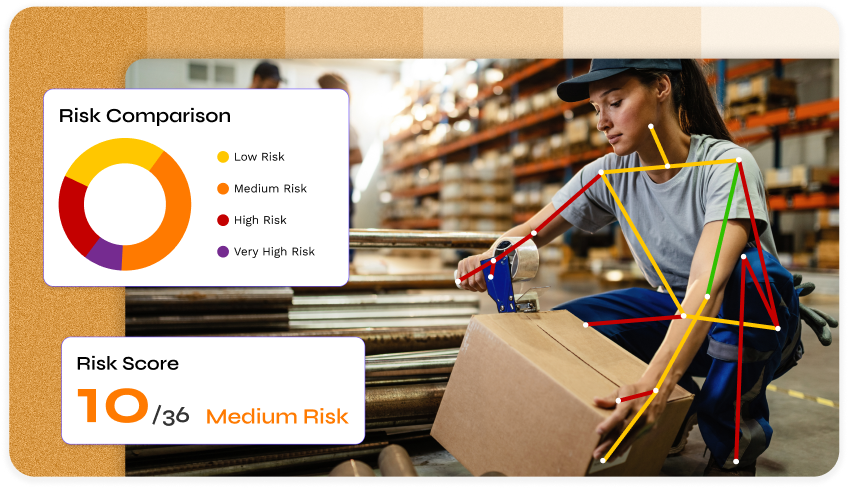







01. AI Video Assessment
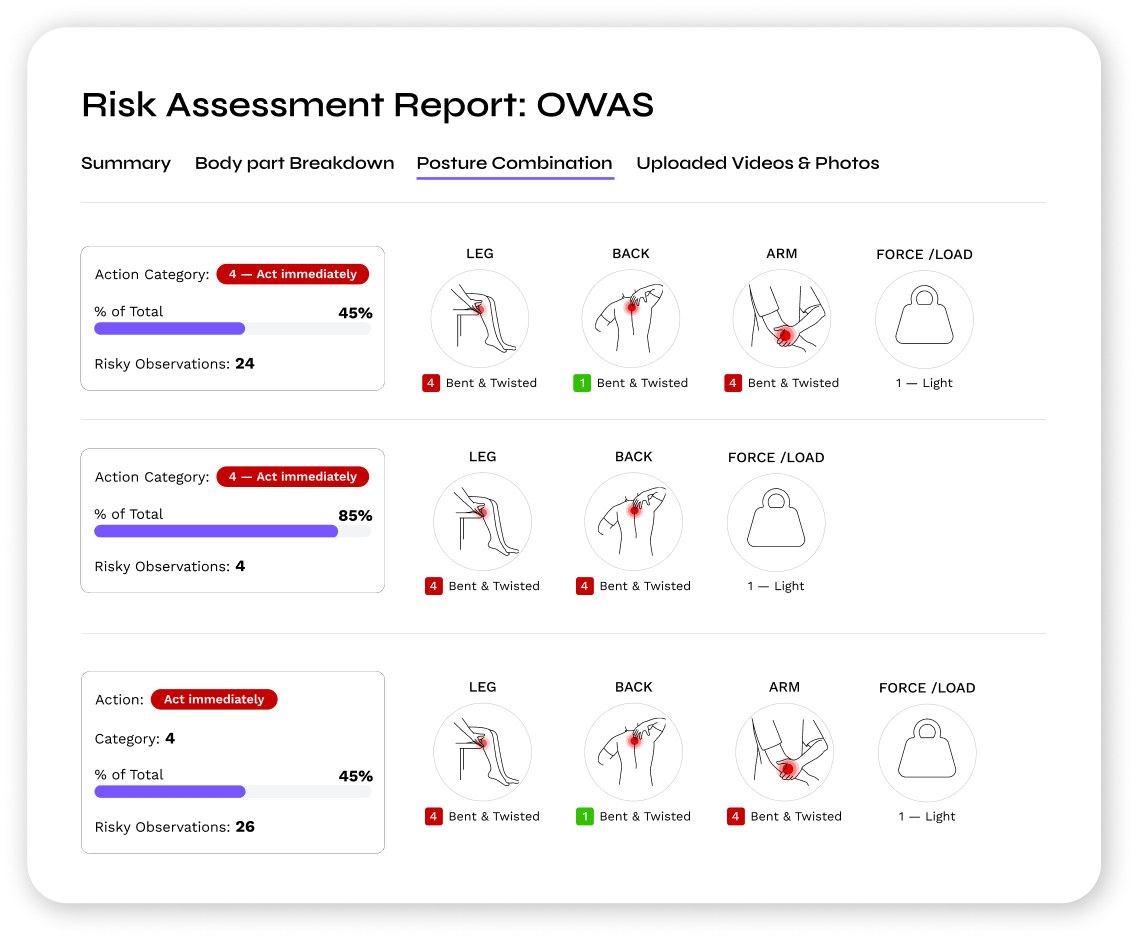
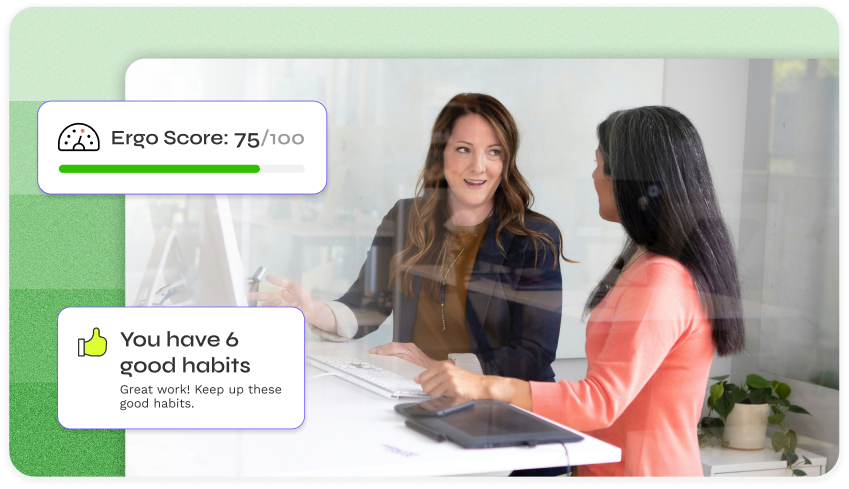
Record patient handling tasks. BalanceFlo scores posture and identifies the highest-risk wards and profiles.

BalanceFlo supports hospitals and care providers in assessing and managing manual handling risk at population scale - protecting the people who protect everyone else.
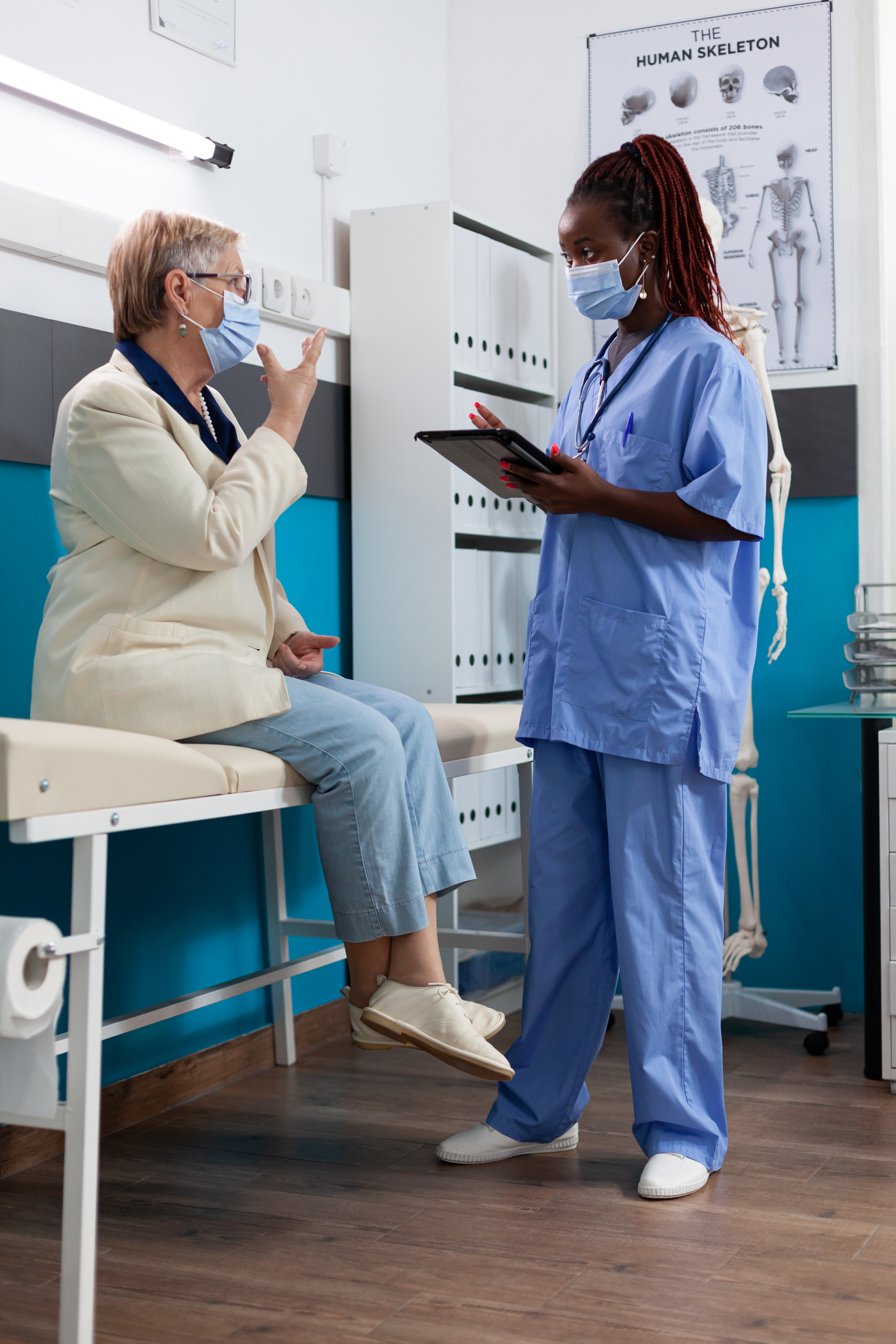

#1
Healthcare ranks as the highest-injury industry for work-related MSDs in the U.S. - above construction and manufacturing (BLS)
48%
Of nurses report chronic lower back pain directly attributed to patient handling tasks
$7.4B
Annual cost of nurse back injuries in the U.S. alone - direct and indirect costs combined
1 in 5
Nurses leave the profession before retirement age due to injury, chronic pain, or physical burnout


Healthcare ergonomic risk isn't one thing - it changes by ward, by task, and by shift. The most common exposure patterns are:
Transferring, repositioning, and lifting patients - particularly bariatric patients - is the highest-risk single task category in the entire occupational health landscape
Nurses and surgeons hold bent, twisted, or extended postures during procedures and bedside care for durations that would trigger OSHA action in industrial settings
Surgical and procedural teams stand for 4–8 hours continuously, creating cumulative lower limb, hip, and spinal loading
Moving beds, imaging equipment, IV stands, and supply carts across long distances and through narrow corridors generates forces exceeding safe limits
Poorly configured nursing stations, medication rooms, and patient rooms force repetitive non-neutral postures throughout every shift
12-hour rotating shifts reduce biomechanical awareness and increase injury risk - particularly in the final hours of a shift
Healthcare culture discourages reporting discomfort, leading to underreporting and delayed treatment that turns manageable symptoms into serious conditions
Healthcare ergonomics programmes typically rely on approaches that weren't built for the pace and culture of clinical environments:
Record patient handling tasks. BalanceFlo scores posture and identifies the highest-risk wards and profiles.
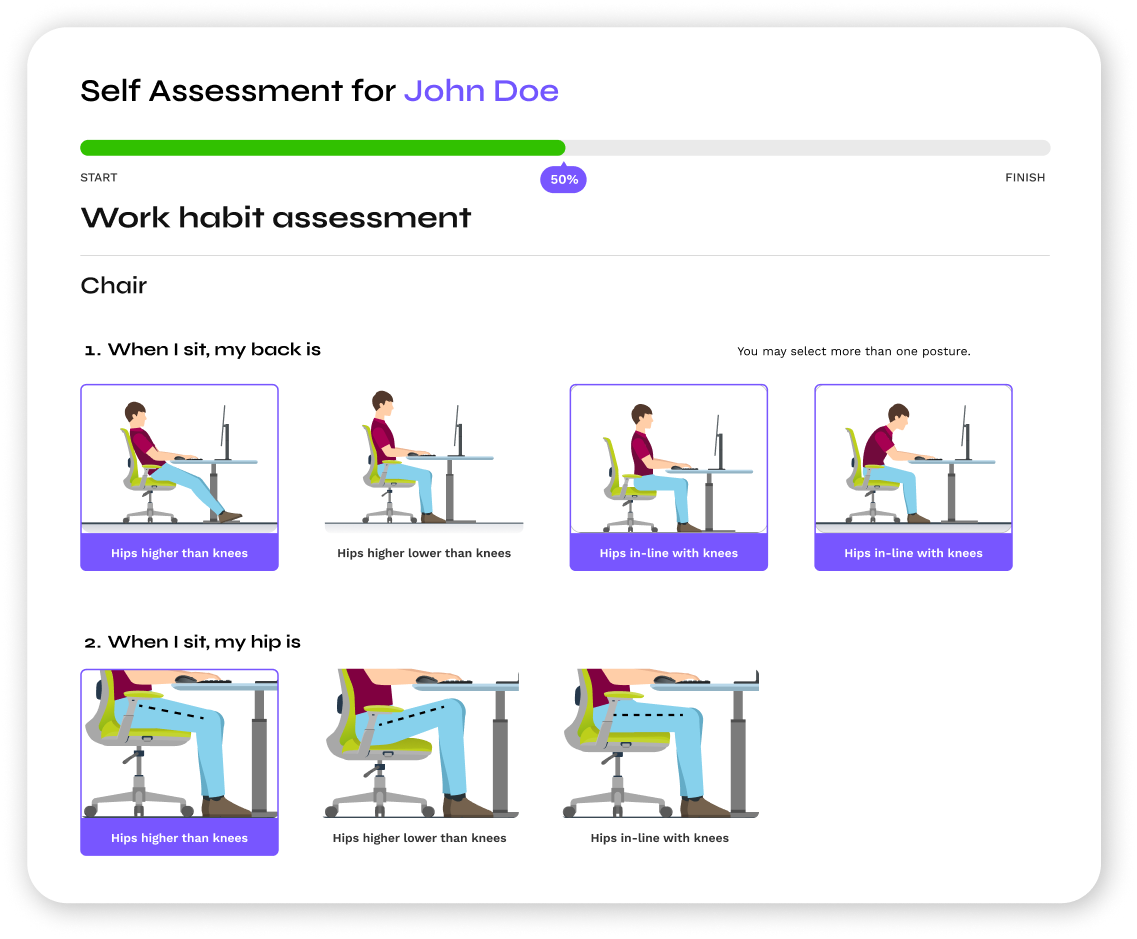
Questionnaires capture task demand, ward conditions, and worker discomfort in minutes.
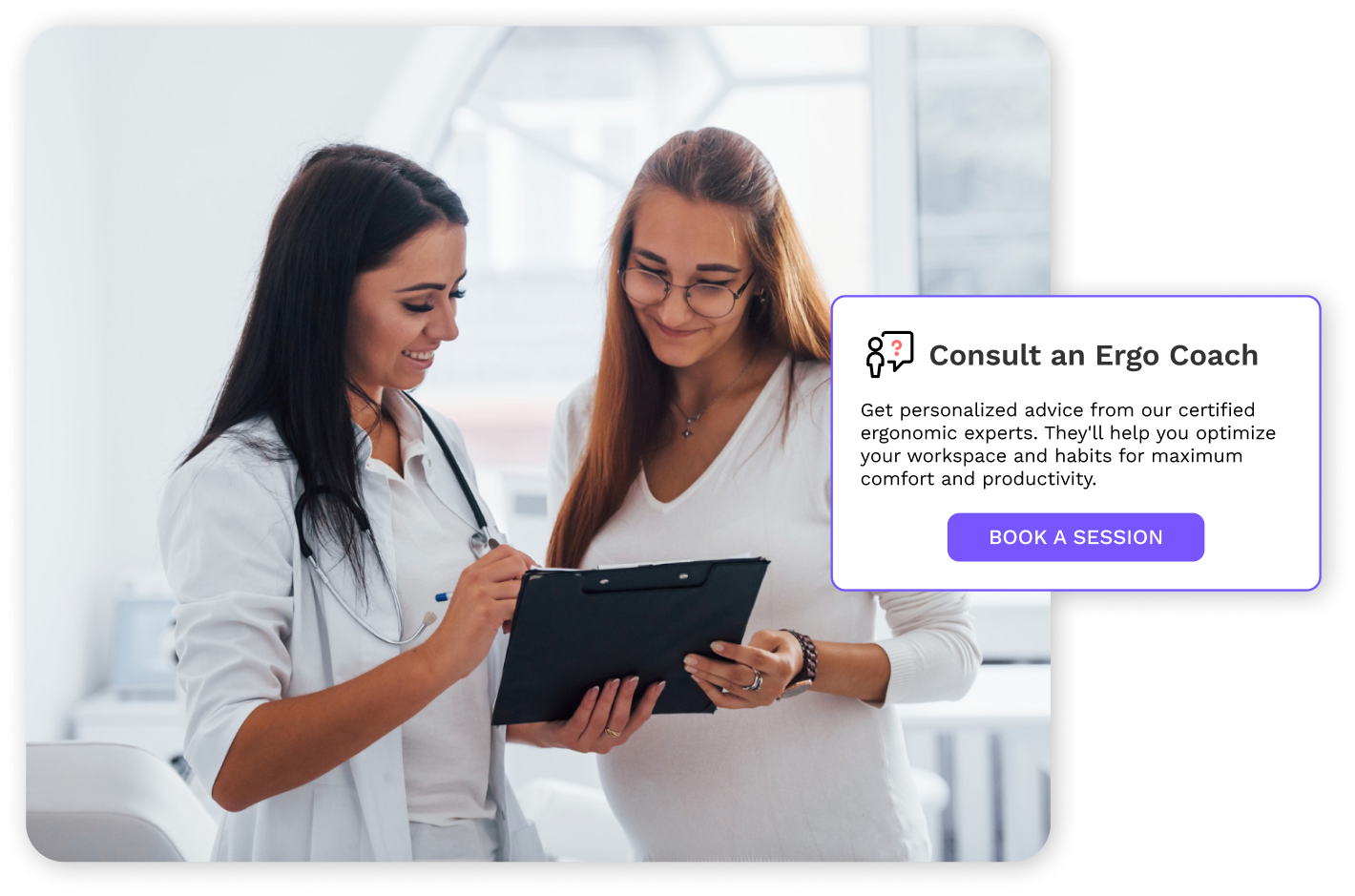
Certified ergonomists review complex patient handling scenarios and recommend safer redesigns.
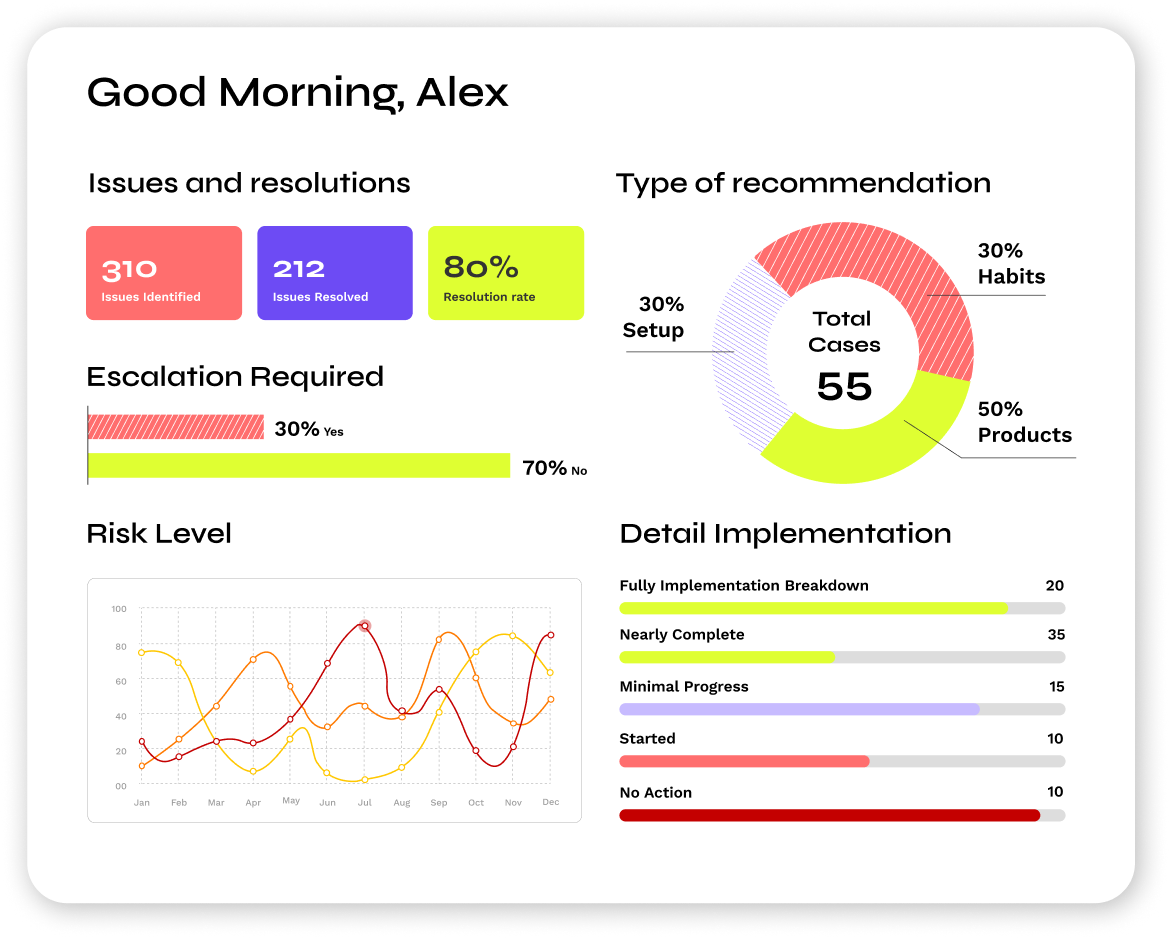
Dashboards surface priority interventions by ward and role while tracking progress over time.
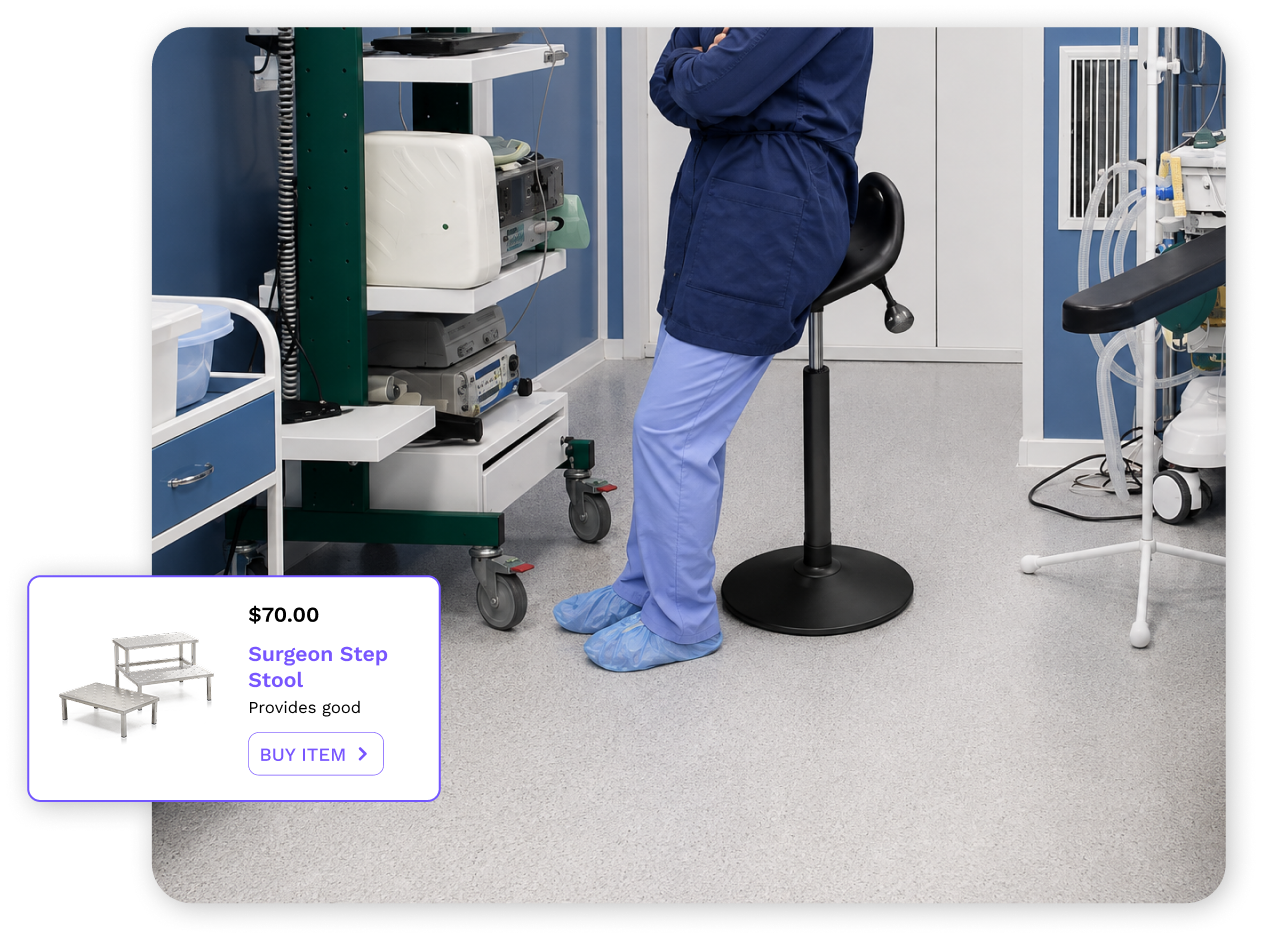
Recommendations match patient handling equipment to task risk and link to suppliers.
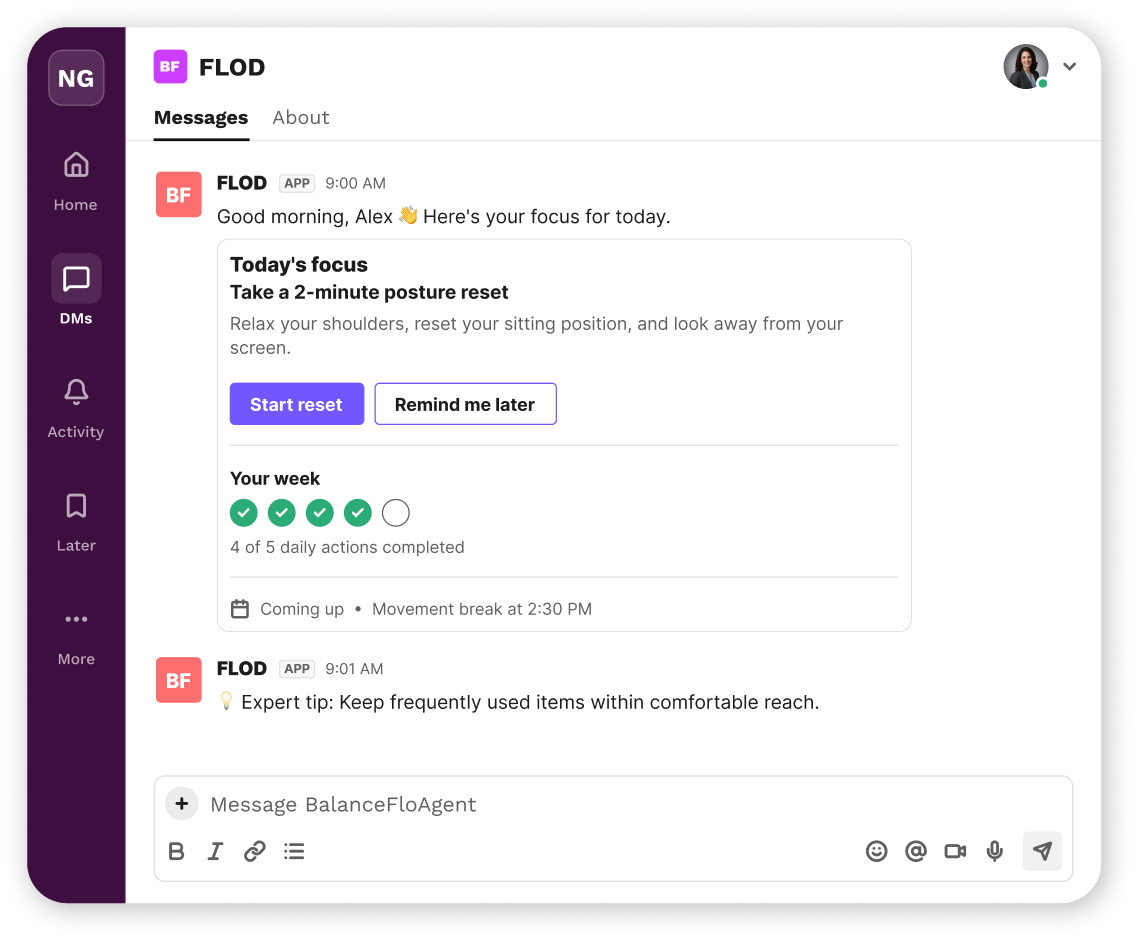
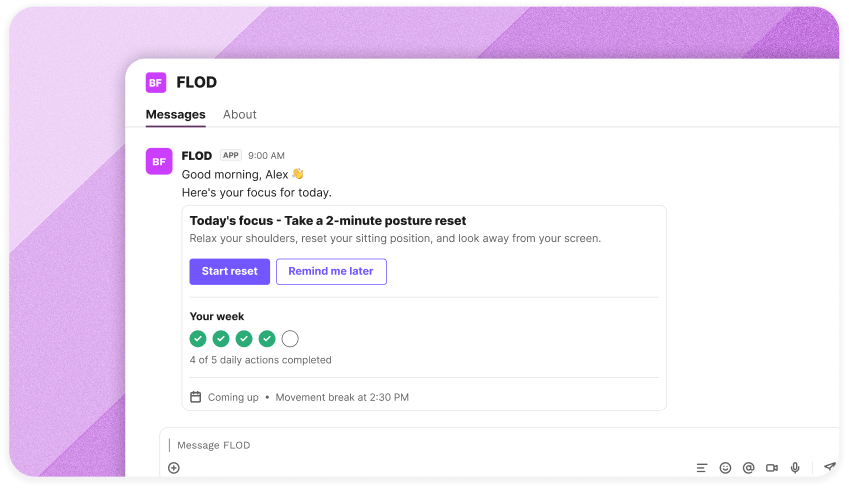
Daily nudges, chat guidance, and campaigns support safer handling between assessments.
On-demand ergonomists support complex handling cases, disputed assessments, and coaching.
Results healthcare safety and occupational health teams see after rolling out BalanceFlo across their organisation:

More wards assessed without more specialist resource.
Across the organisation.
Versus traditional consultant-led approaches.
For assessed healthcare organisations.
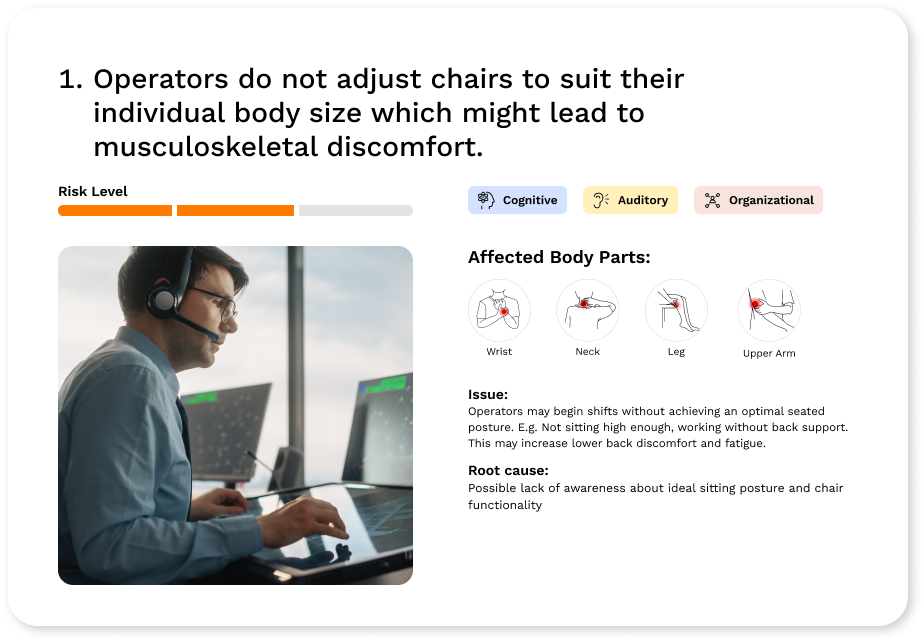
Intuitive visuals, clear risk indicators, plain-language outputs. Managers, employees, and safety teams take action immediately - no training course required to read a dashboard.
Practical guidance, regulatory updates, product insights, and workplace health trends - written by certified ergonomists, not content farms. If it's published under the BalanceFlo name, it's been reviewed by someone with a qualification to back it up.
Read Now
BalanceFlo's ROI model uses published HSE, OSHA, and academic research alongside benchmarked outcomes from comparable healthcare deployments. Conservative estimates throughout.

Answer 5 quick questions and get a plan matched to your workforce size, industry, and programme maturity - in under a minute.