






01. AI Video Assessment
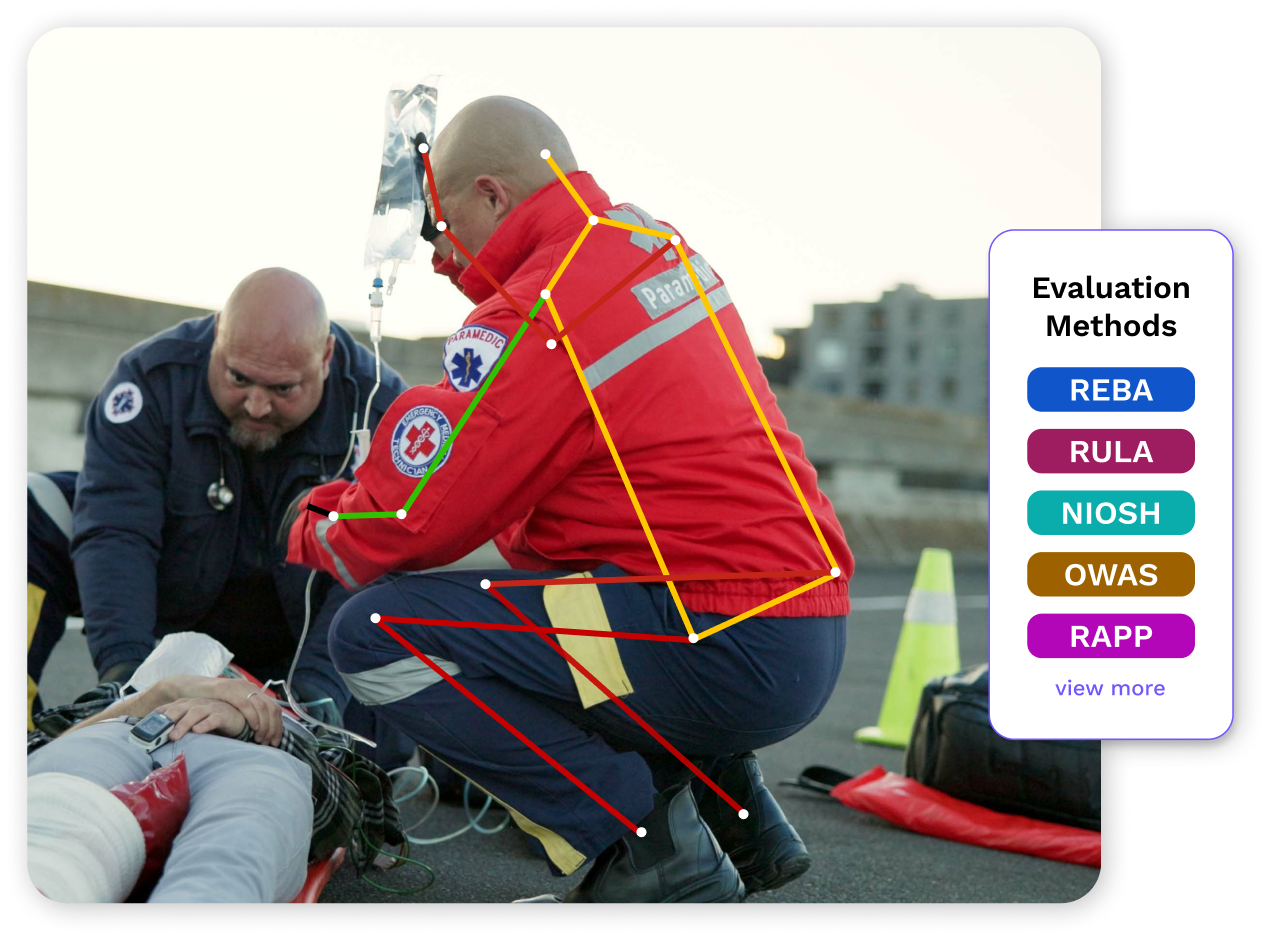
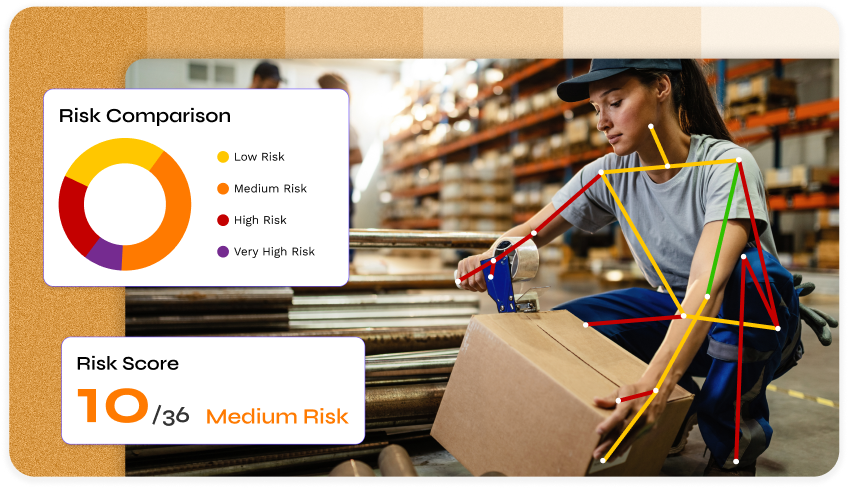
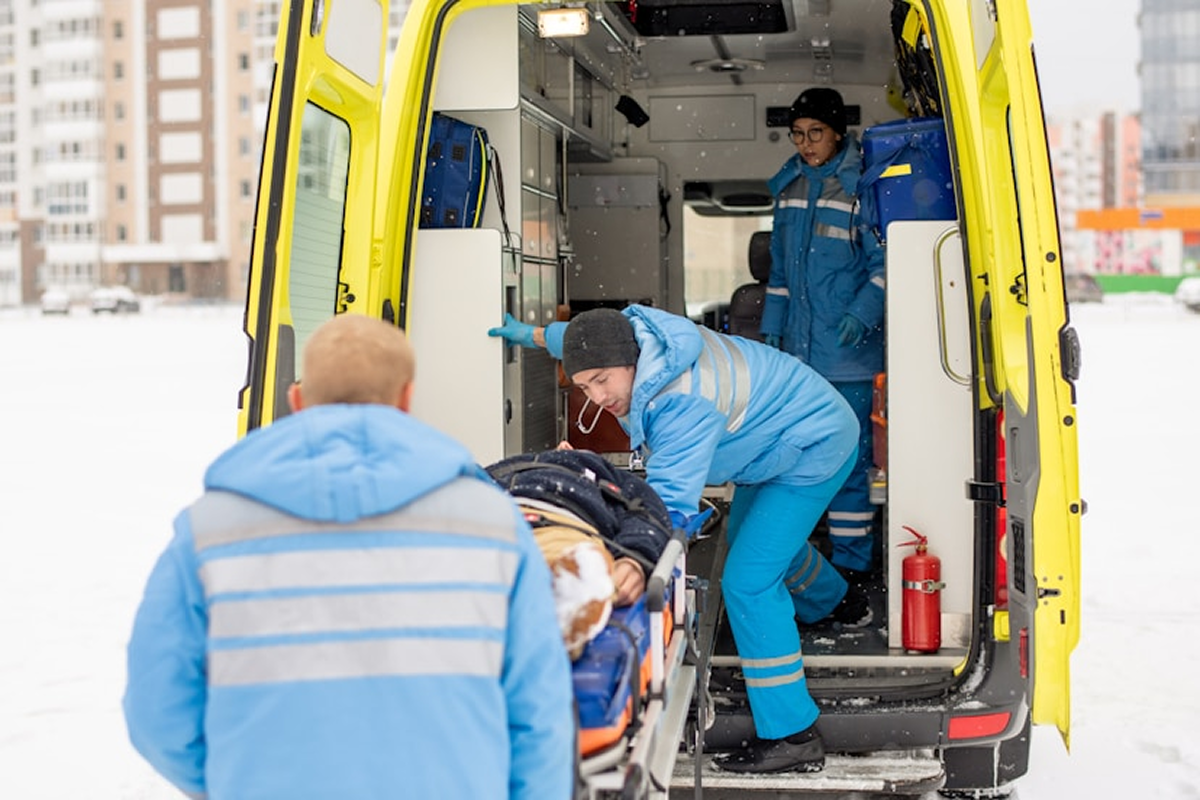
Film stretcher carries, forced-entry drills, or equipment lifts. BalanceFlo returns role-specific fixes.

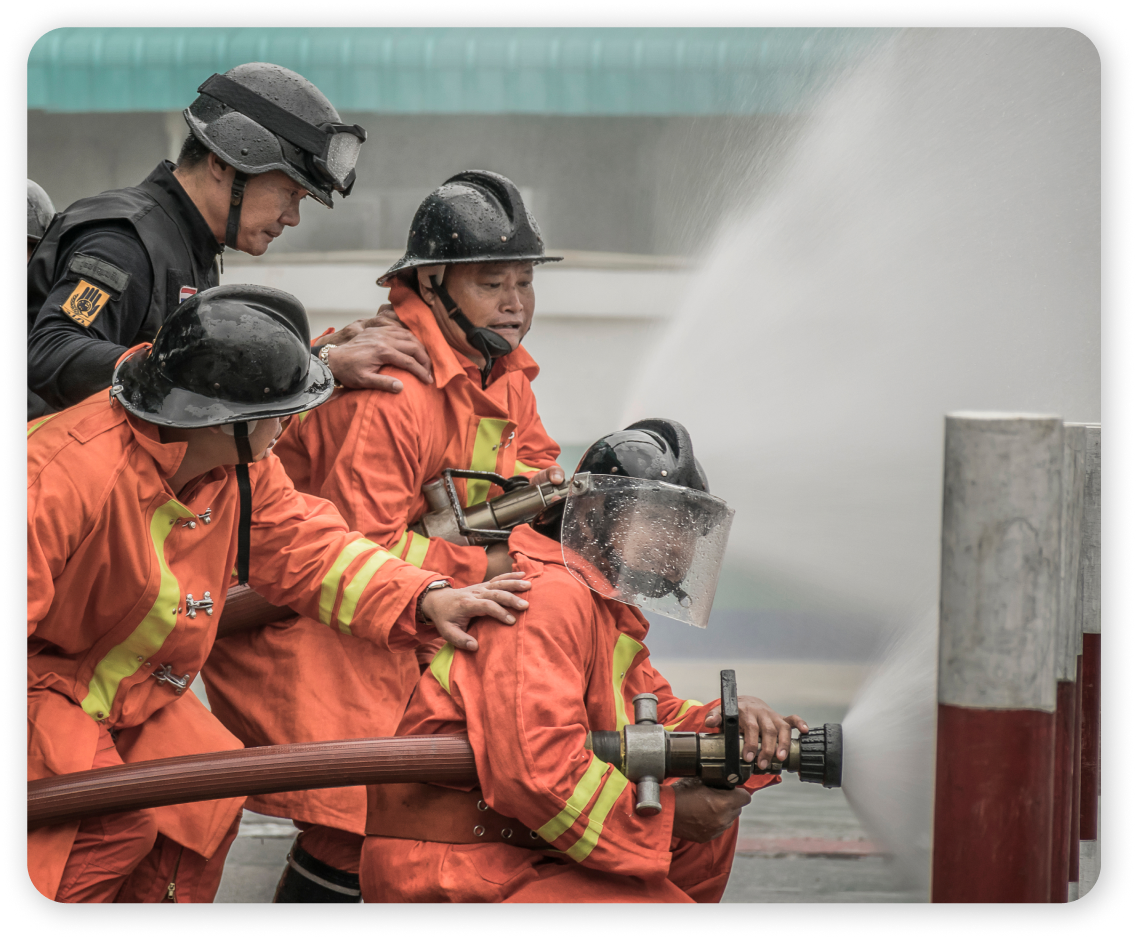
Patient lifts on stairwells. Equipment carried at a run. Hours crouched in the back of a moving vehicle. Emergency response teams absorb some of the highest physical demands of any workforce - often with no ergonomist anywhere near the scene. BalanceFlo brings structured risk management to crews who can't stop to fill out a form.
50%+
Of career firefighters and EMS providers report a musculoskeletal injury attributable to patient handling or equipment carries within a 5-year period
Top 3
Emergency medical services ranks among the top 3 occupations for overexertion and back injury claims
9 days
Average lost-time per MSD injury for ambulance and fire personnel - often extending far longer for lower-back cases
22%+
Of career EMS providers leave the profession within 5 years, citing physical strain and injury as a leading factor


Risk in emergency services isn't confined to one task - it changes with every call, every structure, and every patient. The most common exposure patterns are:
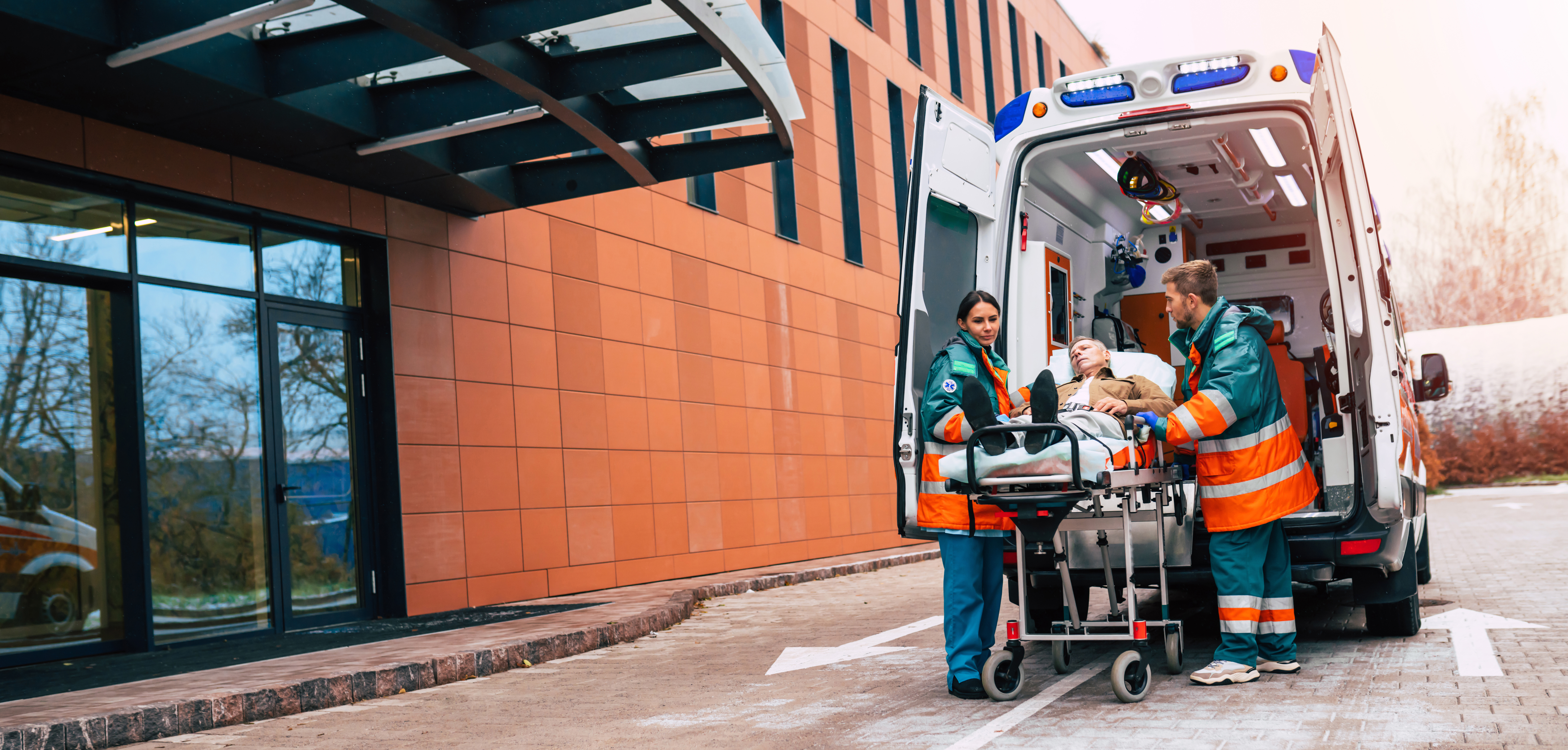
Stretcher loads on stairs, confined hallways, and uneven ground create extreme spinal and shoulder loading - frequently performed by two-person crews with no mechanical assist available
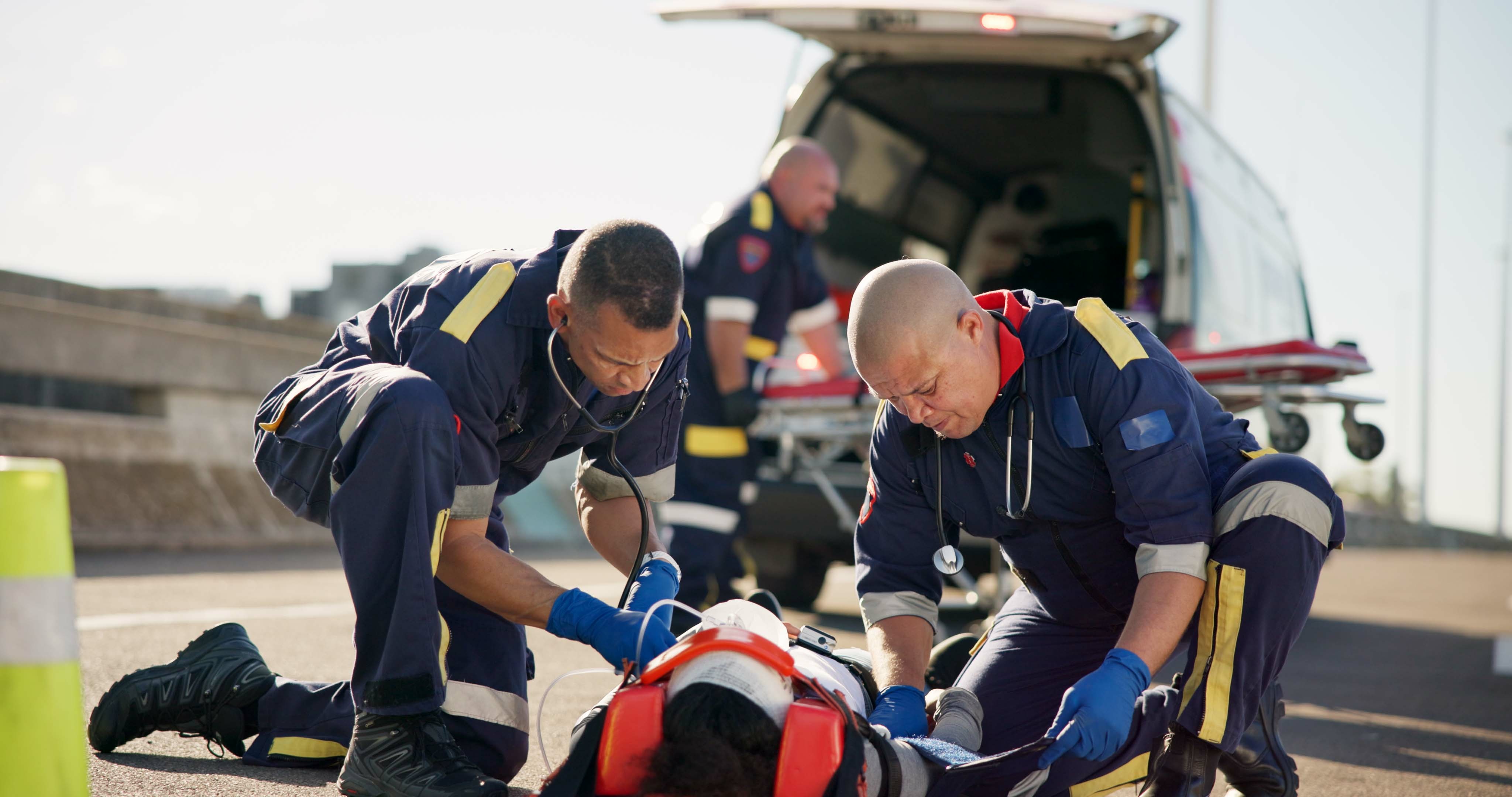
Delivering care in the back of a moving ambulance forces sustained crouched and twisted postures with no stable base of support
Breaching doors, extrication, and carrying heavy rescue tools under time pressure combine peak force with awkward body positioning
Firefighting turnout gear and SCBA add 20+ kg of sustained load to every task, amplifying fatigue-related injury risk
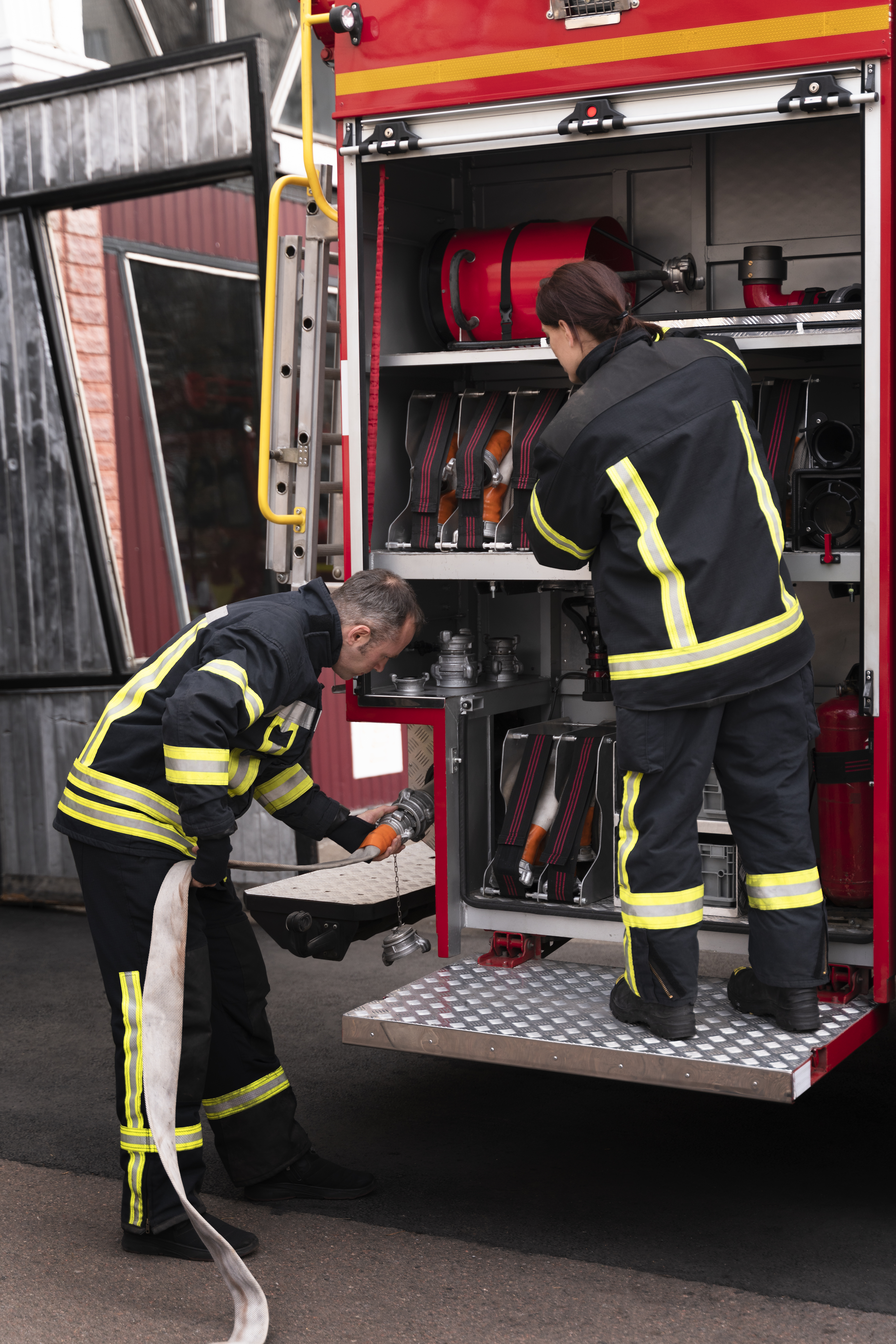
Charged hose lines, ladders, and pump equipment require repeated high-force pulling and carrying under time-critical conditions
24-hour and rotating shift patterns compress recovery time between physically demanding calls, compounding cumulative injury risk
Physical readiness varies widely across crews and stations, with no consistent, scalable way to track and address individual risk
Generic workplace ergonomics approaches were not built for crews who respond to unpredictable scenes on a moment's notice:
Film stretcher carries, forced-entry drills, or equipment lifts. BalanceFlo returns role-specific fixes.
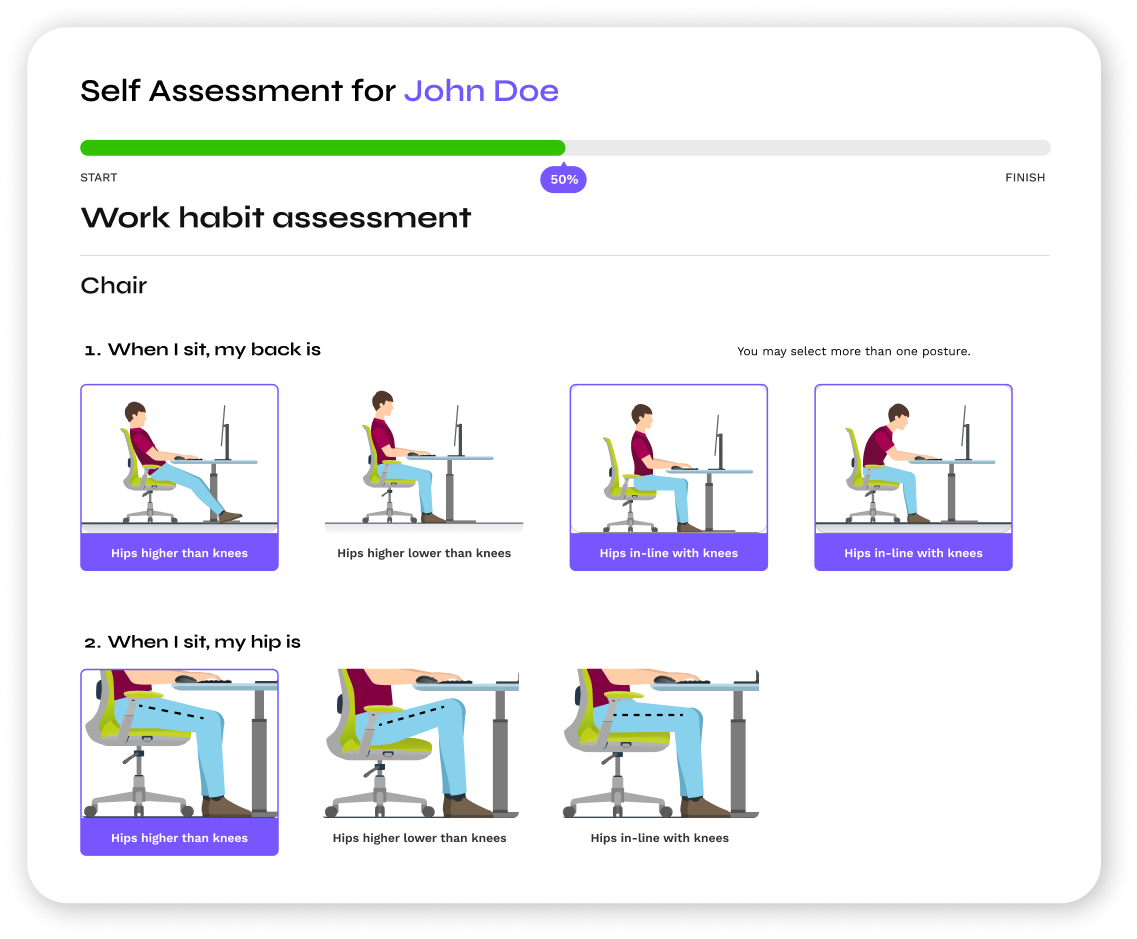
Crew and supervisor questionnaires capture task demand, discomfort, and recovery time.
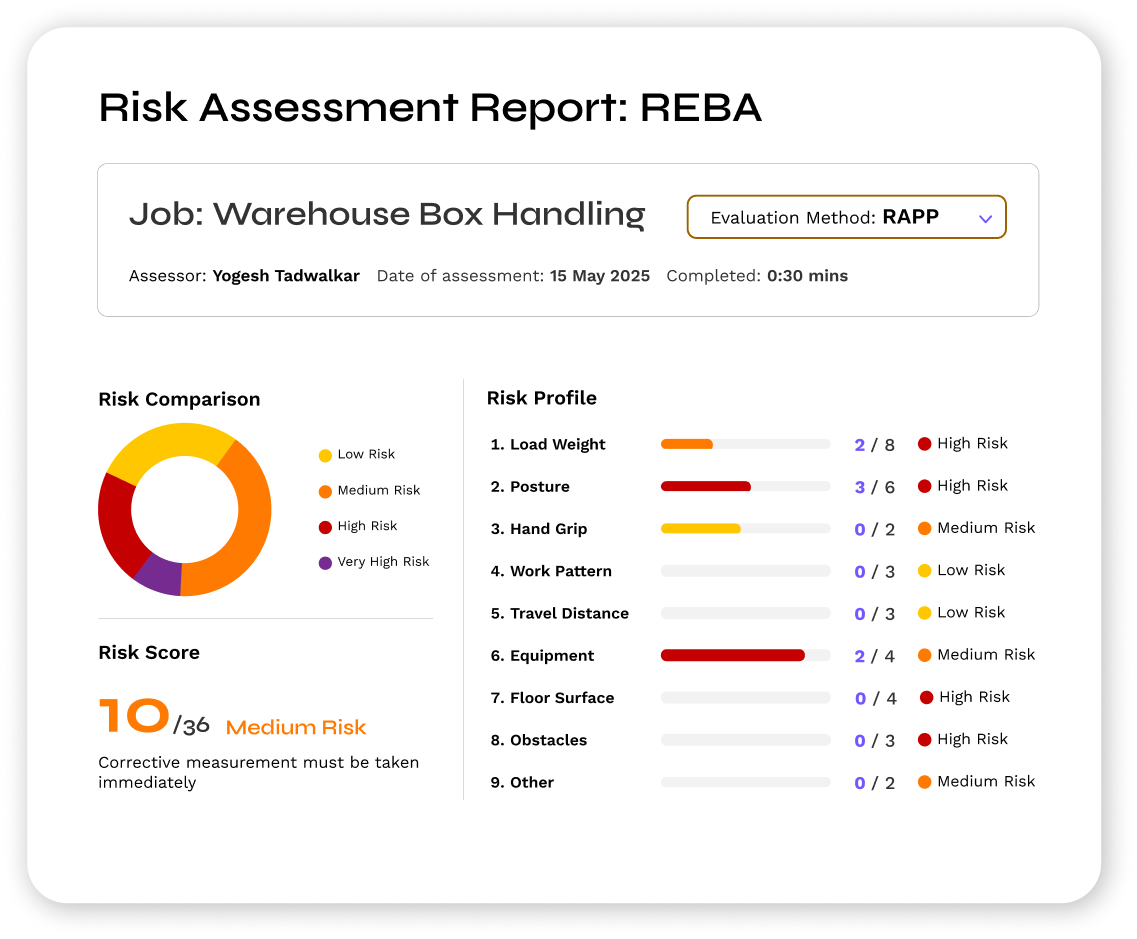
Dashboards show risk by station, role, crew, and shift without pulling teams off roster.
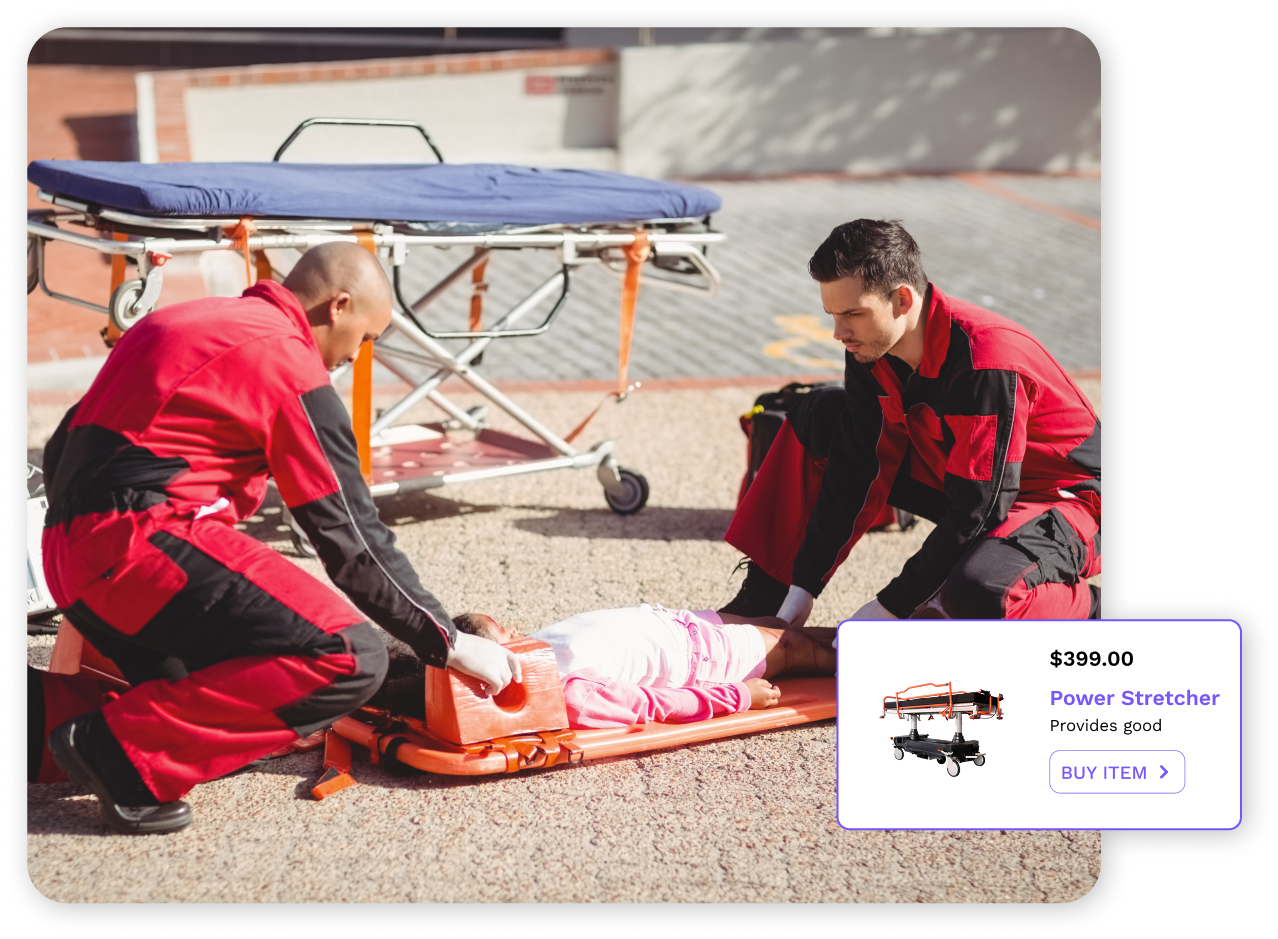
Equipment recommendations cover loaders, lift assists, and PPE modifications with supplier links.
EMS and fire training covers lift technique, in-vehicle posture, and equipment handling.
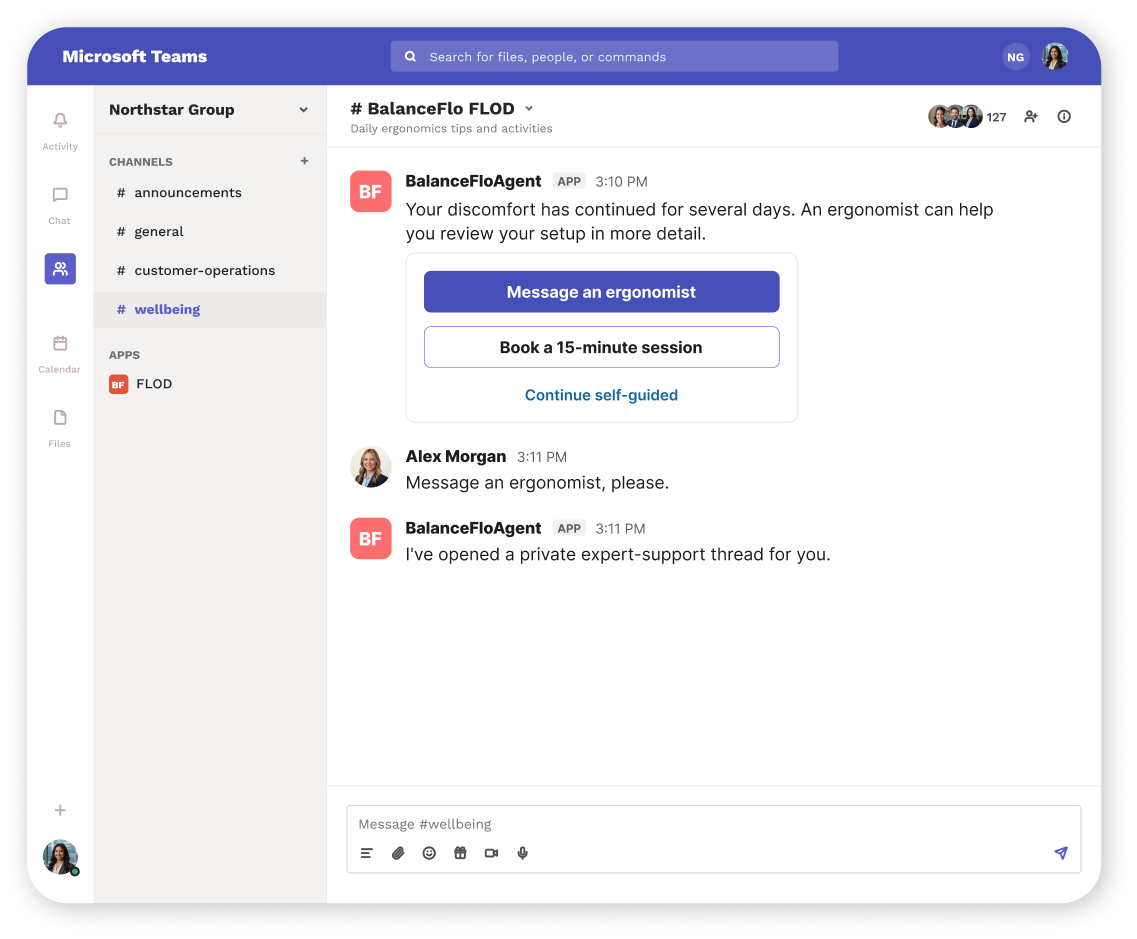
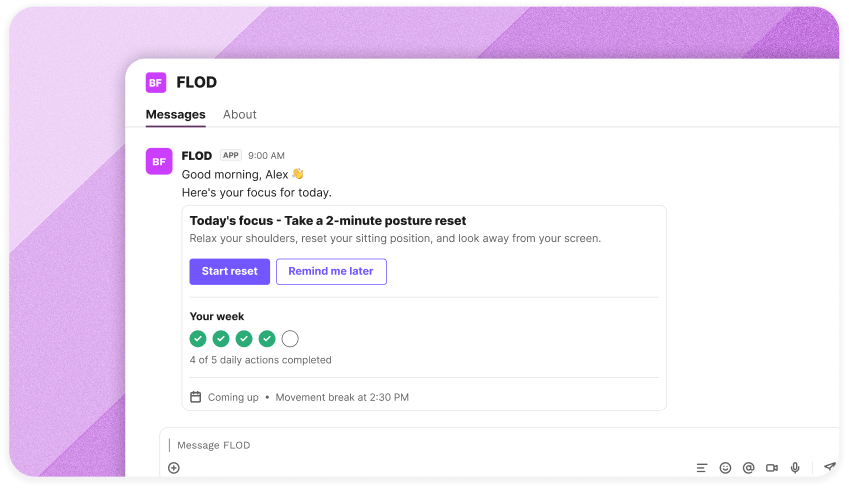
Daily reminders, campaigns, and chat guidance keep ergonomics active between assessments.
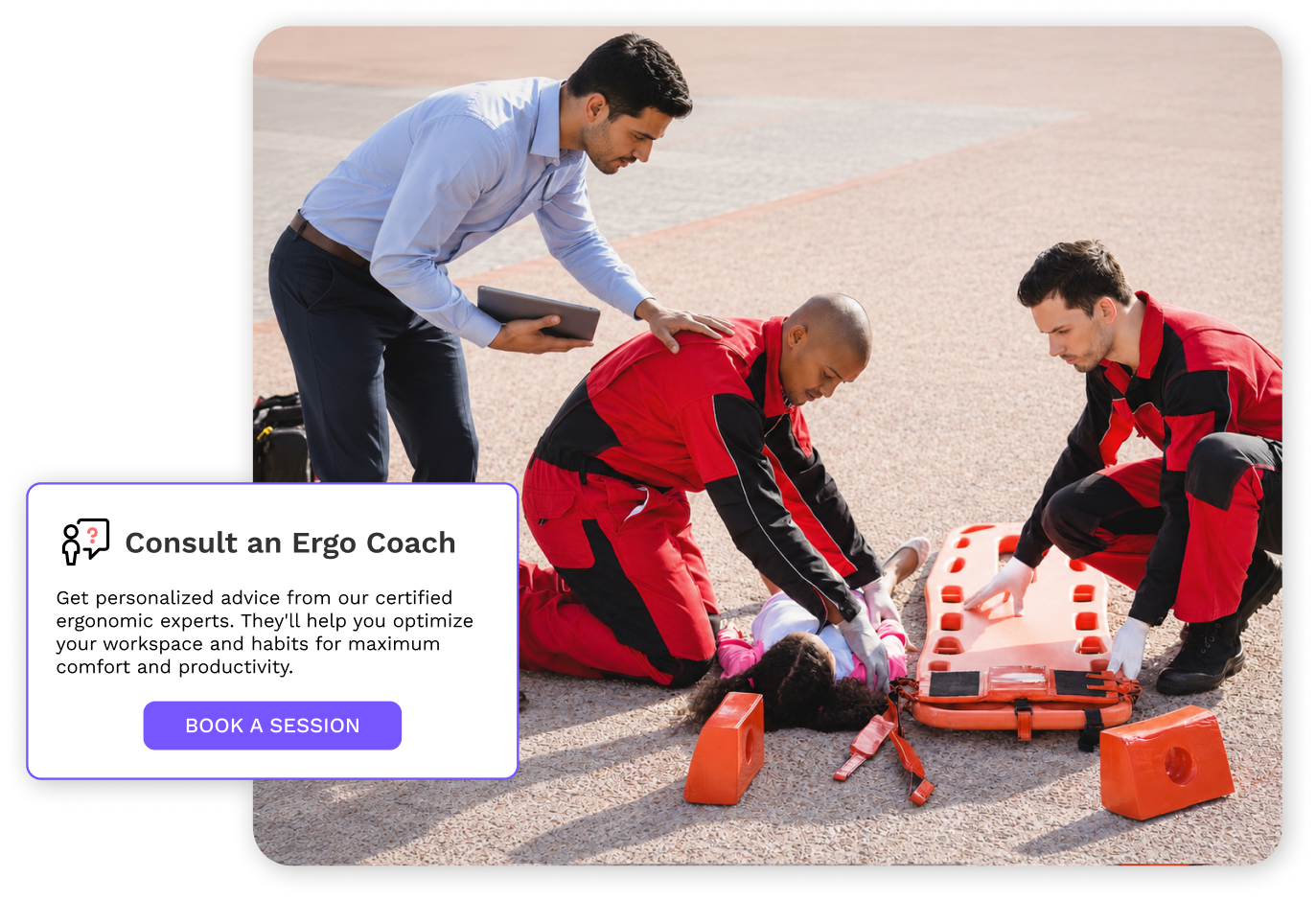
On-demand ergonomists support lift protocols, station redesign, and supervisor coaching.
Results emergency services safety and operations teams see after rolling out BalanceFlo across their crews:
Versus specialist visit-based approaches.
Across stations and shifts.
Compared to traditional consultant-led programmes.
For assessed emergency services organisations.
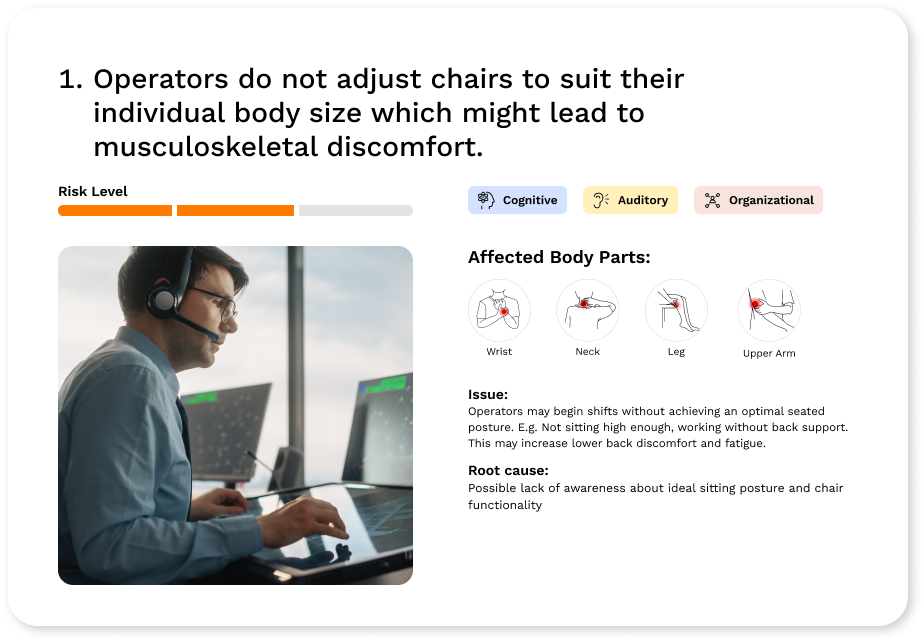
Intuitive visuals, clear risk indicators, plain-language outputs. Managers, employees, and safety teams take action immediately - no training course required to read a dashboard.
Practical guidance, regulatory updates, product insights, and workplace health trends - written by certified ergonomists, not content farms. If it's published under the BalanceFlo name, it's been reviewed by someone with a qualification to back it up.
Read Now
BalanceFlo's ROI calculator uses published BLS, OSHA, and academic data - and conservative estimates throughout. Here is what the numbers look like for a typical emergency services workforce:

Answer 5 quick questions and get a plan matched to your workforce size, industry, and programme maturity - in under a minute.