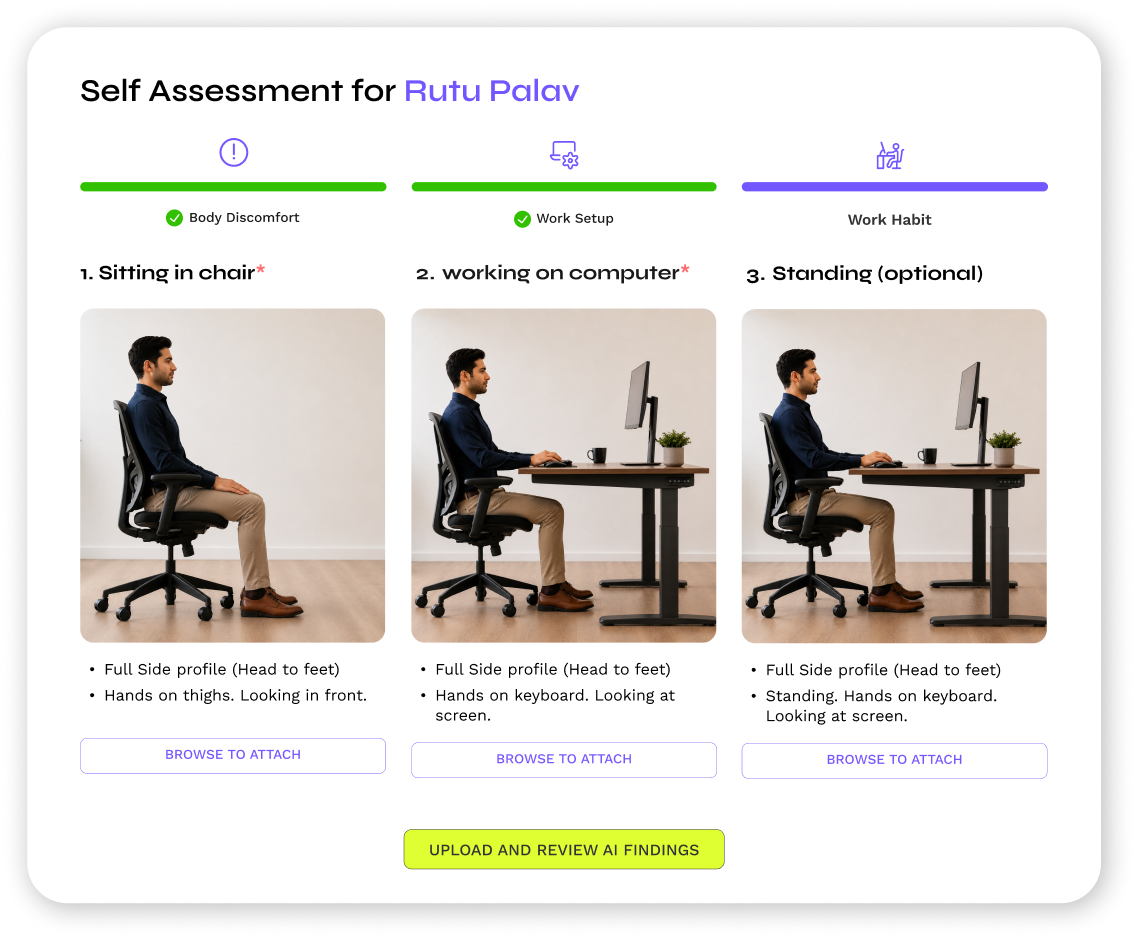








01. AI Photo Assessment
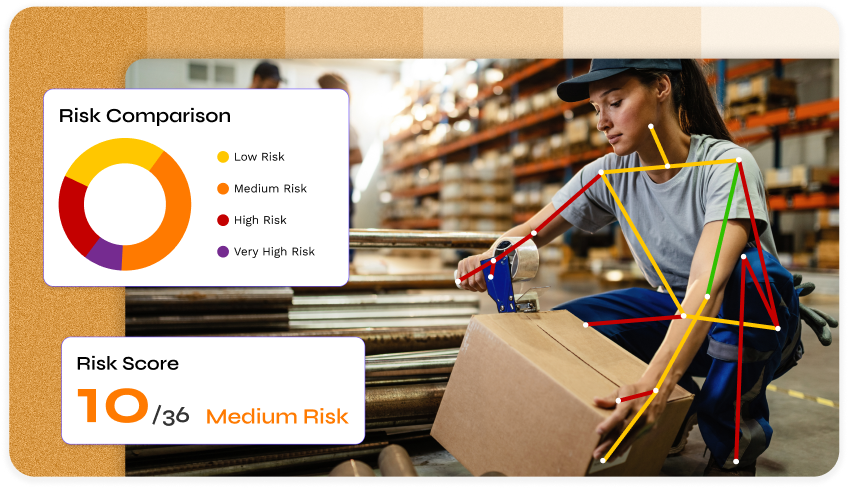
Employees snap a workstation photo. BalanceFlo returns a personalised risk report with specific setup fixes.

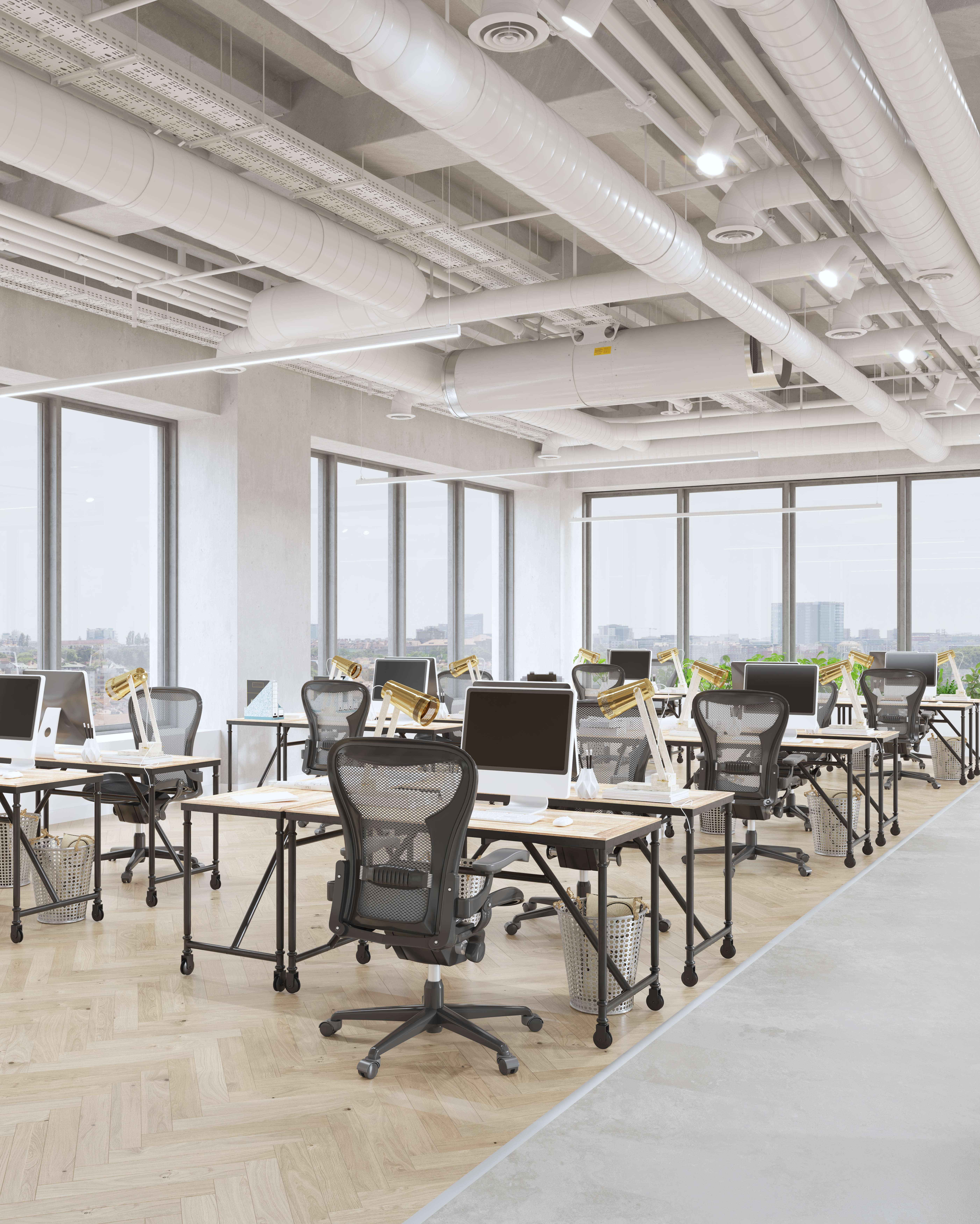
'But we're just sitting down.' The sedentary nature of office work makes it easy to underestimate its toll. BF Office gives hybrid and remote teams the assessments and tools that once required an on-site specialist - in minutes, not months.

$45–54B
Annual cost of office-related MSDs in the U.S. - the largest single category of workplace injury costs
85%
Of office workers report at least one work-related physical complaint in any given year
3×
Growth in remote and hybrid work means three times as many workers using workstations that have never been ergonomically assessed
3.5×
Indirect cost multiplier: for every $1 in direct MSD cost, organisations absorb $3.50 more in lost productivity, absence cover, and management time


Office ergonomic risk isn't one thing - it changes by setup, by device, and by location. The most common exposure patterns are:
Sustained sitting - even in well-designed chairs - creates cumulative spinal, neck, and shoulder loading that compounds over years
Monitors at the wrong height, keyboards that force wrist extension, chairs without lumbar support, and screens too close or too far - ubiquitous in both offices and home setups
High-frequency upper limb movements create median nerve compression (carpal tunnel), tendinopathy, and lateral epicondylitis
Laptops force neck flexion and shoulder elevation - a design problem that has become an epidemic as laptop use displaces desktop workstations
Secondary screens placed at wrong angles cause chronic neck rotation and asymmetric spinal loading
Workers split between office and home change their ergonomic exposure daily - but most programmes assess only the office workstation, or neither
Beyond specific postural risks, uninterrupted sitting for 6+ hours daily creates metabolic and cardiovascular exposure that is increasingly recognised as an occupational health issue
Office ergonomics programmes typically rely on assessment models that weren't built for hybrid, distributed teams:
Employees snap a workstation photo. BalanceFlo returns a personalised risk report with specific setup fixes.
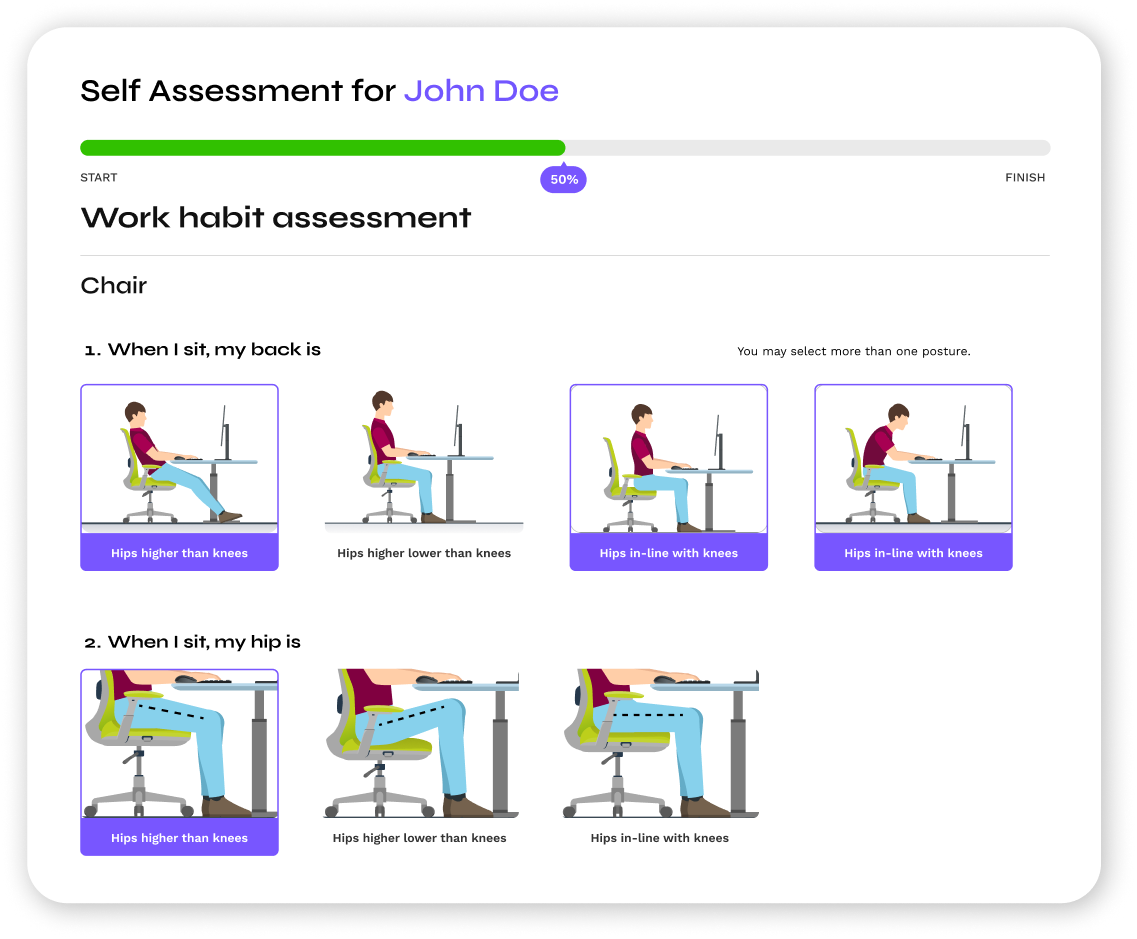
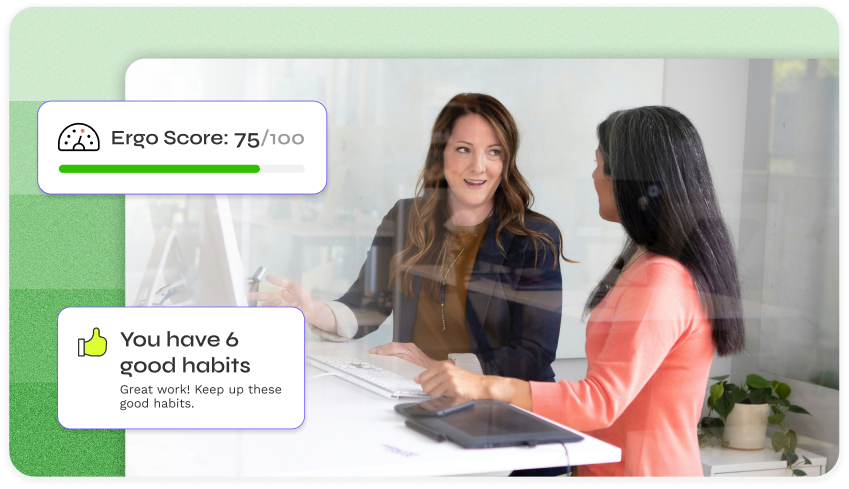
Guided questionnaires surface posture risks and discomfort patterns in minutes, across setup and habits.
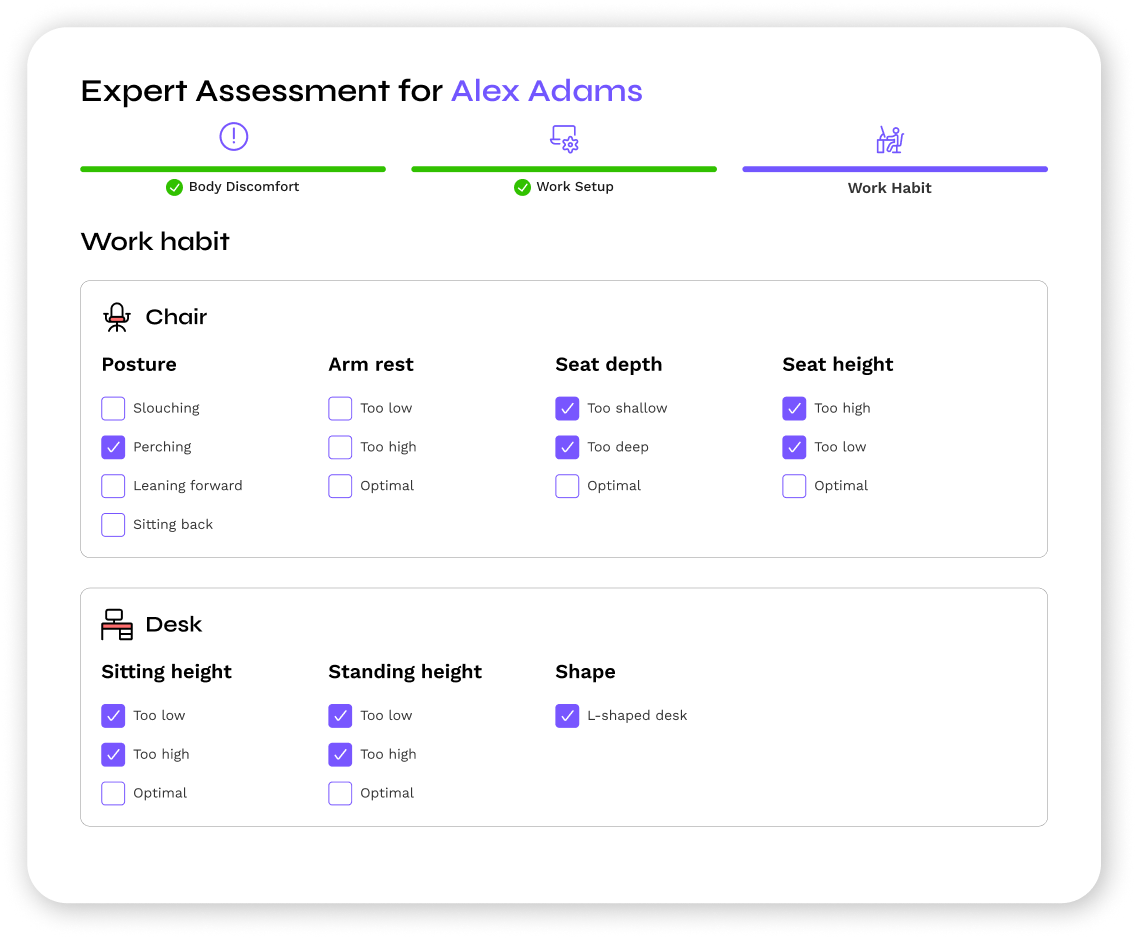
Certified ergonomists review complex cases with AI support, improving consistency without scheduling backlogs.
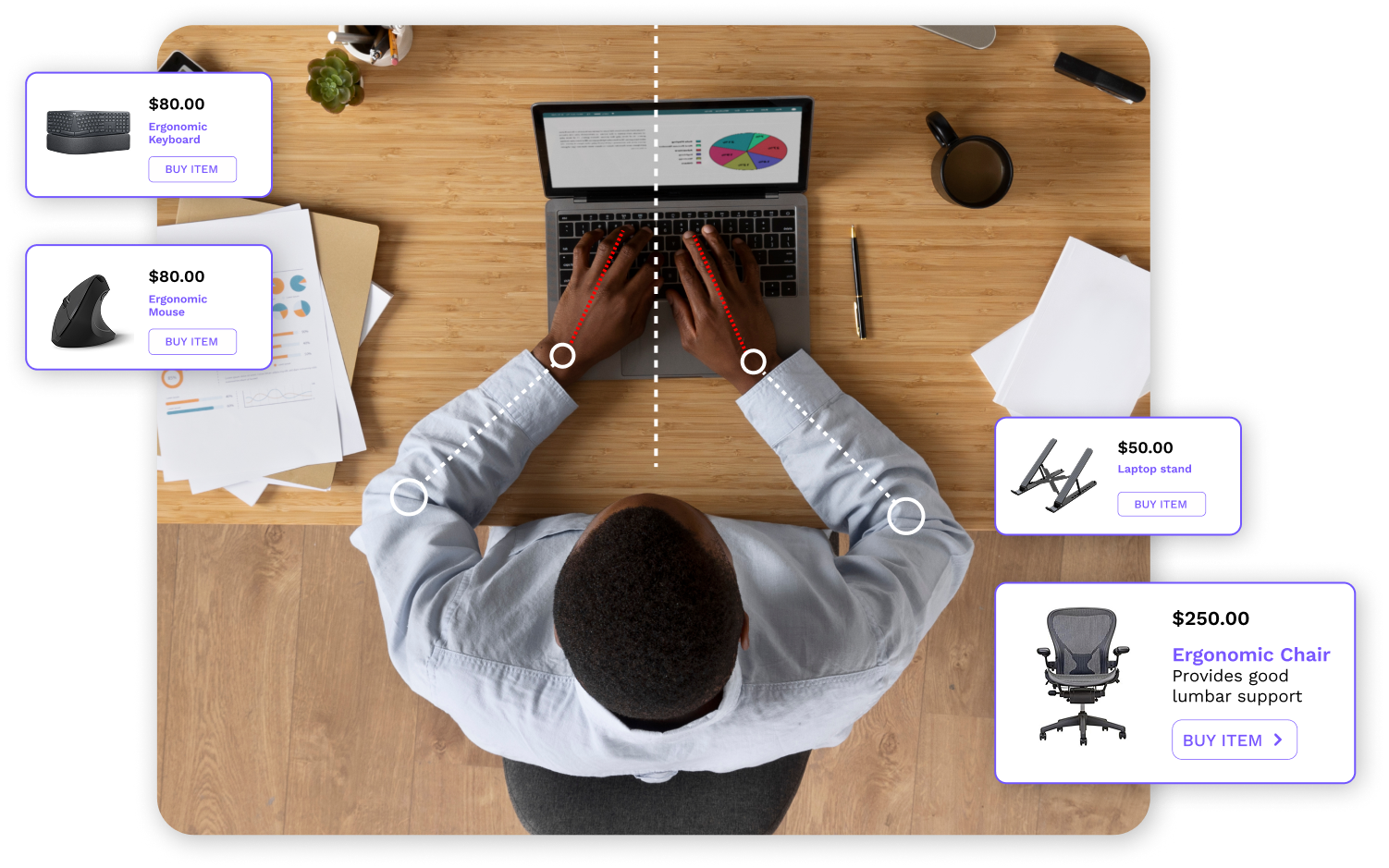
Personalised product recommendations match each workstation, body, and budget to approved supplier options.
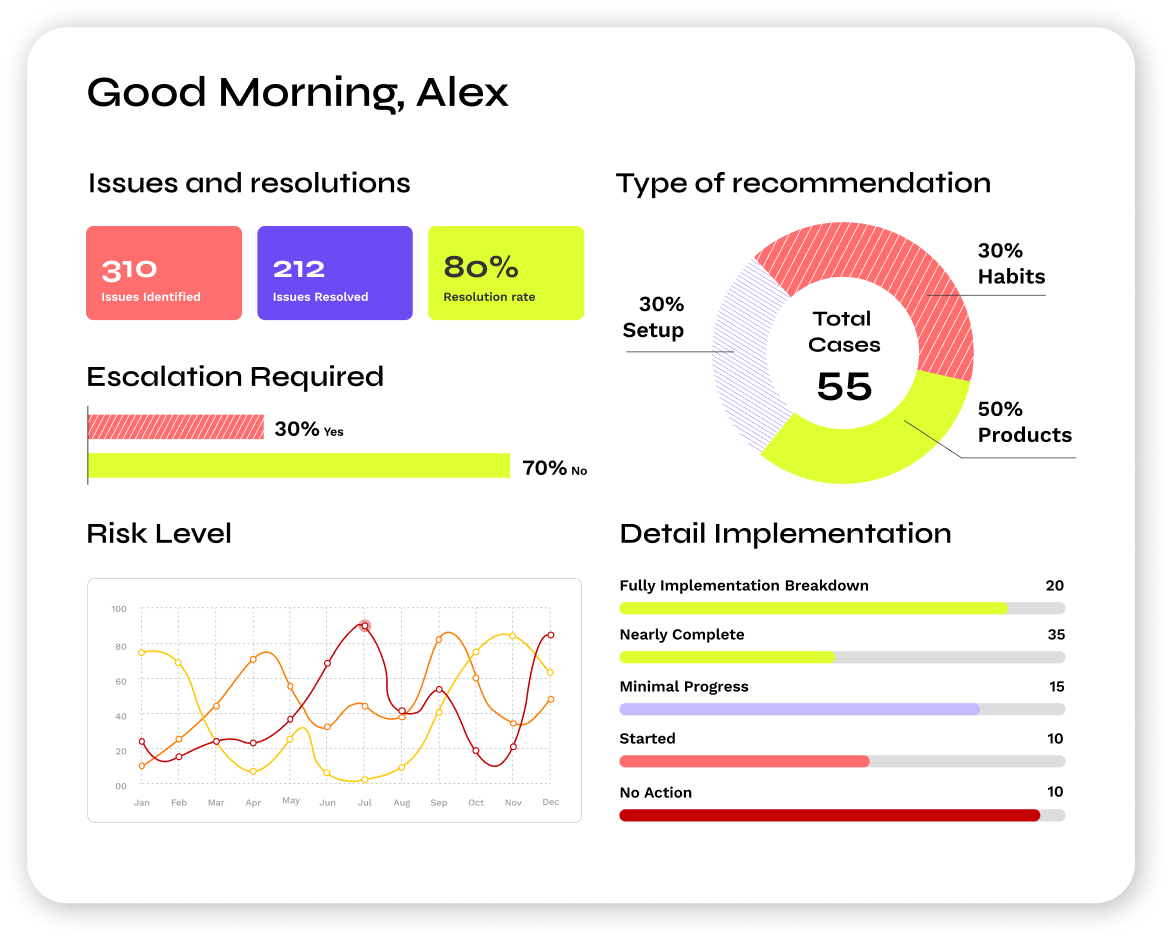
Real-time dashboards show risk, completion, and improvement by team, site, or role.
Bite-sized training covers posture, screen use, equipment setup, and movement habits.
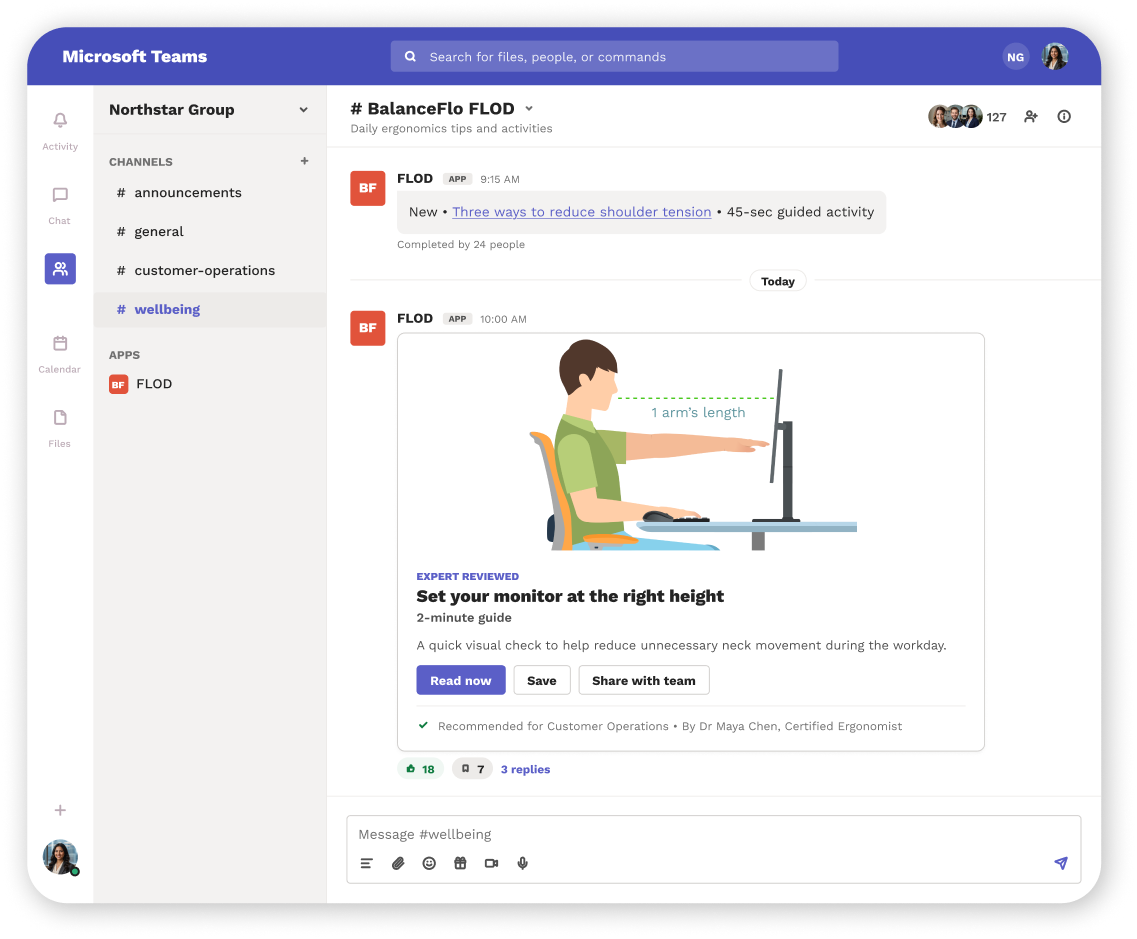
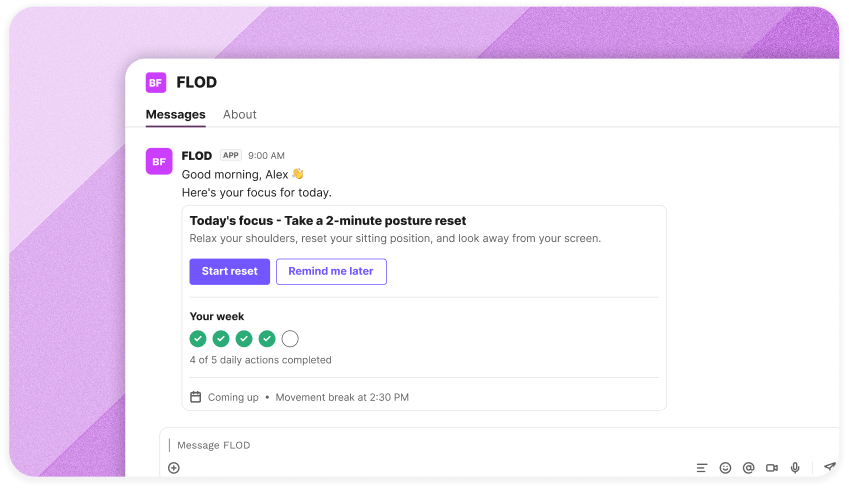
Scheduled nudges and chat guidance keep ergonomics active between assessments, by team and channel.
On-demand ergonomics coaches answer questions, interpret assessments, and shape improvement plans.
Results HR and EHS teams see after rolling out BF Office across their organisation:

Versus traditional specialist visit models.
When BF FLOD is used alongside BF Office.
Versus traditional consultant approaches.
Based on benchmark outcomes from comparable organisations.
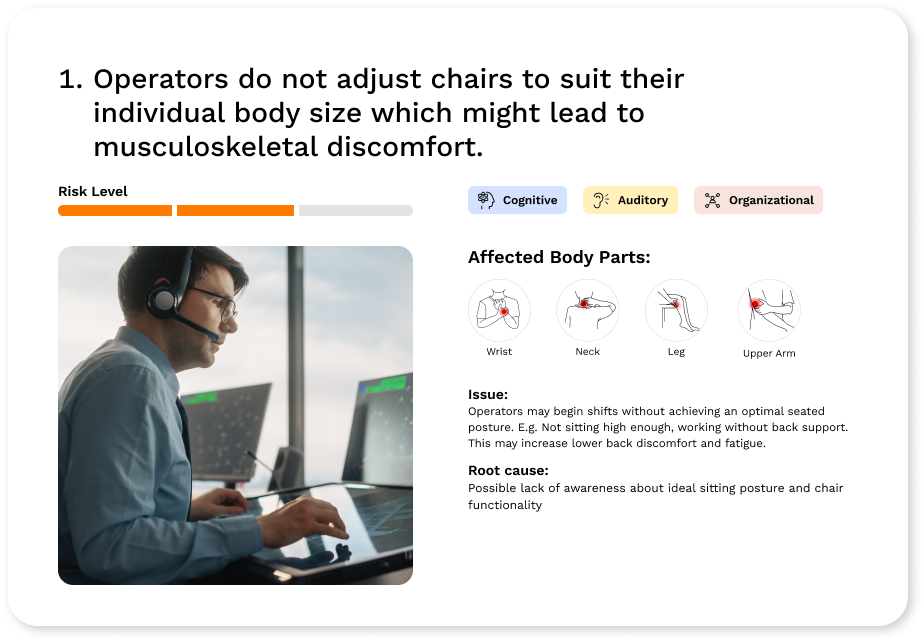
Intuitive visuals, clear risk indicators, plain-language outputs. Managers, employees, and safety teams take action immediately - no training course required to read a dashboard.
Practical guidance, regulatory updates, product insights, and workplace health trends - written by certified ergonomists, not content farms. If it's published under the BalanceFlo name, it's been reviewed by someone with a qualification to back it up.
Read Now
BalanceFlo's ROI model is built on published HSE, OSHA, and academic research, benchmarked against outcomes from comparable deployments. $4,200 average direct cost per claim; 3.5× indirect multiplier throughout.

Answer 5 quick questions and get a plan matched to your workforce size, industry, and programme maturity - in under a minute.